
More Information
Submitted: September 07, 2026 | Accepted: September 18, 2026 | Published: September 21, 2026
Citation: Pandey N. Human Environmental DNA: A New Frontier in Forensic Biology. J Forensic Sci Res. 2026; 10(2): 99-130. Available from:
https://dx.doi.org/10.29328/journal.jfsr.1001121
DOI: 10.29328/journal.jfsr.1001121
Copyright license: © 2026 Pandey N. This is an open access article distributed under the Creative Commons Attribution License, which permits unrestricted use, distribution, and reproduction in any medium, provided the original work is properly cited.
Keywords: Environmental DNA; Human eDNA; Forensic genetics; Trace DNA; DNA transfer; DNA persistence; STR profiling; Environmental forensics; Validation; Forensic biology

Human Environmental DNA: A New Frontier in Forensic Biology
Nyasa Pandey*
Vivekananda Global University, Jaipur, Rajasthan India
*Corresponding author: Nyasa Pandey, Vivekananda Global University, Jaipur, Rajasthan, India, Email: [email protected]
Environmental DNA (eDNA) refers to genetic material recovered from environmental matrices without requiring direct collection of an intact biological specimen. In forensic science, human eDNA may originate from shed epithelial cells, hair-associated material, saliva-containing droplets, blood, urine, and other cellular material deposited into air, dust, soil, water, and surfaces. This review examines the forensic potential of human eDNA with emphasis on environmental sources, sampling, extraction, molecular analysis, transfer and persistence, contamination, mixture interpretation, validation and Indian forensic implementation. Unlike conventional biological evidence, environmental DNA may be low-template, degraded, heterogeneous, and affected by primary or secondary transfer. Therefore, detection of a DNA profile should not by itself be interpreted as proof of the timing, mechanism or activity associated with deposition. The review identifies the need for matrix-specific sampling protocols, validated analytical workflows, quality assurance, chain of custody, inter-laboratory studies and scientifically supported interpretation. Current and emerging approaches including STR profiling, massively parallel sequencing, digital PCR, metagenomics, portable sequencing and computational analysis may expand forensic applications, but require appropriate validation before routine casework use. Human eDNA is best considered a complementary source of forensic information while its analytical and interpretive foundations continue to develop.
Environmental DNA (eDNA) is a term used to describe DNA material that an organism sheds in the environment continuously via biological substances like skin, hair, blood, saliva, urine, faeces, mucus, or other bodily fluids. Unlike regular DNA studies that need a direct sample of DNA taken from the organism, environmental DNA (eDNA) is obtained from environmental samples including water, soil, air, or swabs on surfaces. These environmental samples have traces of DNA that can be isolated, amplified, and studied using molecular techniques, making eDNA a highly effective method for biological detection [1-3]. Environmental DNA was conceived in ecology and conservation biology, whereby scientists were able to detect rare, endangered, or invasive organisms from environmental samples. As a result of its high sensitivity and capacity to determine the presence of organisms using trace amounts of genetic material, the use of eDNA has slowly been adopted by the field of forensics [1-3]. Currently, forensic scientists are exploring the capacity of eDNA to detect human DNA from environmental samples gathered from crime scenes, thus offering useful information where there are no conventional biological samples available. Conventional forensic DNA analysis depends on the use of biological samples, including blood, semen, saliva, root hair, and tissues. Nevertheless, such samples could be lacking, deteriorated by the environmental conditions, destroyed through the committing of the crime, or eliminated intentionally by the perpetrators. The above factors limit the usefulness of conventional DNA profiling, thus complicating the criminal investigation process [1-3]. The limitation discussed above has created an increasing need for the application of environmental DNA analysis in the forensic investigation process. The use of eDNA allows forensic experts to recover genetic information from locations where there is no observable biological material. For instance, the application of environmental DNA allows one to detect human DNA even after the disposal of weapons and victims in lakes or rivers. In the same way, soil, dust, air, or any other materials from the environment may carry some traces of DNA that are useful in determining the existence of humans at the scene or the sequence of events there. With the advancements in the field of molecular science, eDNA could be used to enhance traditional DNA forensics [1-3].
Research gap
Although environmental DNA has been extensively developed in ecological and biodiversity research, the forensic use of human eDNA remains an emerging area. Human DNA can be detected in environmental matrices, but the forensic meaning of such detection depends on DNA quantity, degradation, background DNA, transfer pathways, persistence, and contamination. These factors create a distinction between analytical detection and forensic interpretation. The present review therefore places human forensic eDNA at the centre of the discussion and treats ecological eDNA primarily as methodological context.
Aim and scope of the review
The objective of this review is to critically evaluate human eDNA for forensic investigations, including environmental sources, collection and preservation, DNA extraction, PCR/qPCR and STR-based analysis, sequencing and bioinformatics, DNA transfer and persistence, contamination, mixture interpretation, validation, chain of custody, ethical and legal considerations, Indian research gaps, and future implementation. The review also identifies areas where evidence remains insufficient and where controlled validation studies are required.
Literature search strategy
A structured literature search was designed to identify publications relevant to human environmental DNA and forensic applications. The databases considered were PubMed, Scopus, Web of Science, Google Scholar, and ScienceDirect. Representative search combinations included: “environmental DNA” OR “eDNA” OR “human environmental DNA” OR “human eDNA” OR “air DNA” OR “airborne DNA” OR “dust DNA” OR “soil DNA” OR “water DNA” OR “surface DNA”, combined with “forensic”, “forensic genetics”, “forensic biology”, “crime scene”, “DNA profiling”, “STR”, “DNA transfer” and “DNA persistence”. Reference lists of highly relevant papers were also screened for additional sources.
Eligibility criteria
Studies were eligible when they addressed human environmental DNA, environmental recovery of human DNA, forensic or potentially forensic applications, DNA transfer/persistence relevant to environmental evidence, molecular methods applicable to human identification, or authoritative forensic standards and guidance. Studies focused solely on ecological eDNA without methodological or forensic relevance to human DNA were excluded. Duplicate records and sources without sufficient relevance to the review objective were also excluded.
Study selection and data synthesis
Records were intended to be screened by title and abstract, followed by full-text assessment. Information extracted from eligible sources included environmental matrix, biological source, sampling strategy, preservation, extraction method, analytical platform, reported limitations, validation considerations, and forensic interpretation. Because the earlier manuscript did not retain a reproducible database export or screening log, numerical counts of records identified, duplicates removed, records screened, and studies included are not fabricated in this revision. The authors should insert the actual counts from their search records before submission and, if available, provide a PRISMA-style flow diagram.
Literature-search reporting field
Value to be completed from the authors' actual search log
Records identified [N] Duplicates removed [N] Records screened [N] Full texts assessed [N] Studies/guidance documents included [N]
Reviewer-response note: these placeholders are intentionally retained rather than inventing screening numbers. They should be replaced with the actual counts before the revised manuscript is submitted.
Environmental sources of eDNA
Environmental matrices can retain eDNA in the form of any environmental substrates where living organisms release their DNA fragments. In forensic investigations, some of these environmental samples might have tiny traces of human DNA, which would be useful for establishing human presence or involvement in a particular incident [1,4-6].
1. Soil: Soil happens to be one of the richest sources of eDNA because it harbors biological materials for long periods. The human DNA source can be from skin cells, blood, saliva, hair, or decomposing tissues. Soil that is found in burial sites, footprints, or where the suspect/victim was can be an important piece of forensic evidence and help trace the connection between people and the crime scene [1,4-6].
2. Water: The samples of water taken from the rivers, lakes, ponds, drains, and wells may contain DNA deposited by means of blood, saliva, urine, sweat, skin cells, or decaying bodies. In forensic studies, the importance of eDNA in water lies in the fact that it can be helpful when the weapon or the body is deposited into the water bodies [1,4-6].
3. Air: Microscopic skin cells, respiratory droplets, and aerosols are constantly being emitted into the air by humans. Airborne eDNA can be sampled via air filtration techniques, thus opening up possibilities for its use as a detection tool for human presence in confined spaces like rooms, vehicles, or buildings [1,4-6].
4. Dust: Dust inside the house or a vehicle will contain pieces of skin, hair, and fiber from clothes left behind by people in those spaces. This can serve as a source of DNA samples that give information about those people who have been in those places [1,4-6].
5. Sediment: Sediment on the bottom of the lake, river, or pond allows the preservation of DNA for a more extended period compared to water because the genetic information binds to small particles. Investigation of sediment eDNA can be helpful in revealing any signs that may be left by criminals in water bodies or in cases of long-term accumulation of biological matter [1,4-6].
6. Snow: Snow traps biological materials such as blood drops, saliva, hair, footprints, and skin cells. Since the temperature is relatively low, snow can preserve genetic information for a more prolonged period [1,4-6].
7. Mud: Mud easily collects footprints, tire tracks, bloodstains, hair, skin cells, and other biological evidence. DNA taken from the mud collected from shoes, clothes, car tires, and crime scene items can provide information linking the suspect or the victim with the particular site [1,4-6].
8. Vegetation: Vegetation such as plants, leaves, grasses, and branches may have trace amounts of human DNA due to direct interaction between human and plant materials or through bloodstains, saliva, sweat, or hair. Hence, vegetation gathered at a crime scene may be able to provide DNA evidence useful for identifying a person or for piecing together events leading up to the criminal activity.
As shown by the wide range of potential environmental DNA sources, there are many avenues for conducting forensic studies using eDNA. In contrast to standard forensic science methods that require the physical presence of biological materials, eDNA allows for the extraction of genetic materials from environmental media such as soil, water, air, dust, sediments, snow, mud, and vegetation [1,4-6].
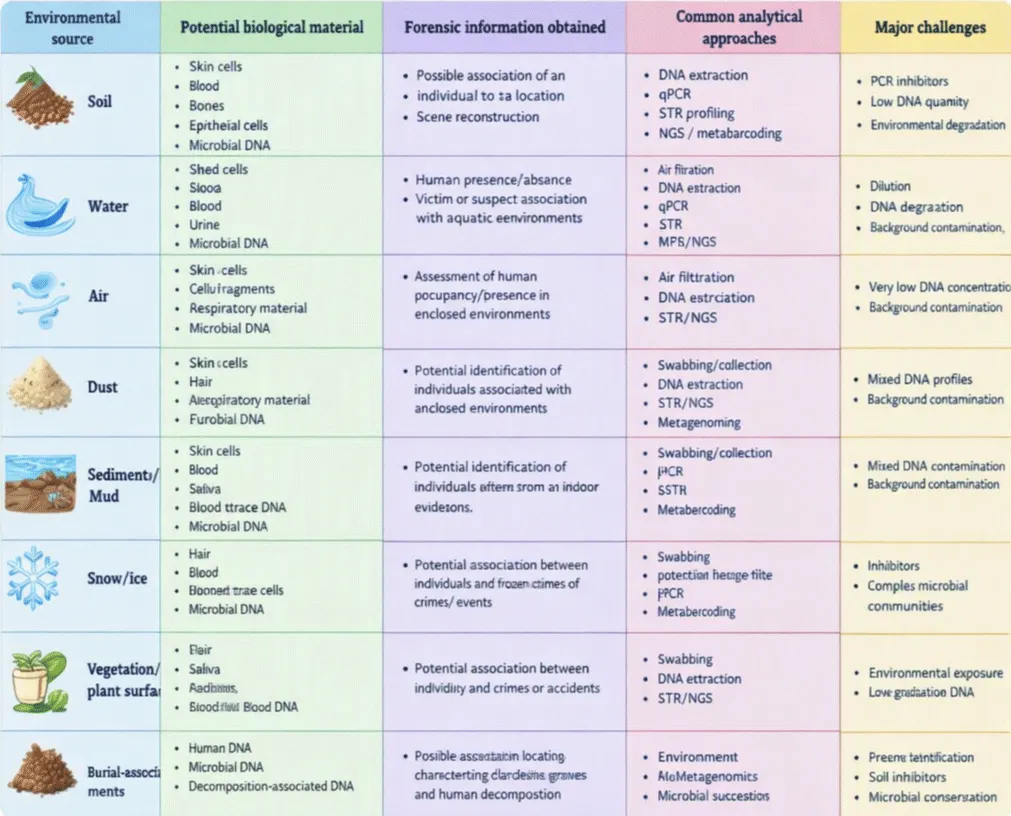
Table 1: Potential Environmental Sources of eDNA and Their Forensic Applications
Human environmental DNA (eDNA) is a type of genetic material secreted by human beings in their immediate environment through biological activities, accidental contacts, or deposition of bodily fluids. Unlike forensic DNA samples, which are usually taken from biological stains or body fluids, human eDNA can be collected from the environment where humans operate, including air, soil, water, dust, surface areas, clothing, and objects, among others. The continuous shedding of biological material by humans makes it possible for the detection of DNA traces within the immediate environment of human beings [3,7-9]. The human body is continually producing biological material for the environment. The skin epithelial cells, hair, saliva droplets, sweat, blood, urine, and many more cellular or fluidic materials containing either nuclear or mitochondrial DNA can act as sources of genetic material in the environment [3,7-9].
Sources of human eDNA
There are different sources of DNA from which one can obtain eDNA. The amount and quality of DNA that can be recovered depend on the source, environmental conditions, time of exposure, and the particular human whose DNA is being extracted [3,7-9].
Skin cells: The epidermis of human skin is continually replaced by new cells, hence the shedding of epithelial cells. These cells could become deposited in places that have been constantly in contact with the human body, such as clothes, objects, soil, among others. Since the skin cells are nucleated, they carry genomic DNA and can thus be an important source of human eDNA [3,7-9].
Hair: Hair can be introduced into the environment through natural shedding and physical contact. The hair shaft normally carries poorly preserved or small amounts of nuclear DNA, especially when there is no root or follicle. Mitochondrial DNA is normally present in hair shafts. Accordingly, hair found in the environment could be valuable in forensic terms, depending on its condition and biological properties [3,7-9].
Saliva: The release of saliva can take place through speaking, coughing, sneezing, consumption of food and water, touching things with the tongue, and other kinds of physical contact. Salivary material usually contains epithelial cells, which means that it can carry nuclear DNA. In the environmental setting, salivary droplets could be deposited onto surrounding surfaces and become part of airborne particles [3,7-9].
Sweat: Sweat itself is normally devoid of cells and their DNA; however, sweat-related material normally includes epithelial cells from the skin. This is why sweat's value as eDNA depends on cellular material deposited in addition to sweat [3,7-9].
Urine: Urine samples may have epithelial cells as well as other cellular elements, which are capable of yielding DNA. In forensic investigations, environmental DNA associated with urine samples might help in identifying the person or proving the biological activity in a particular place. The extraction of DNA may be hampered by dilution, environmental factors, microorganisms, and degradation [3,7-9].
Blood: Blood is a relatively DNA-rich substance due to the presence of nucleated leukocytes. Even tiny traces of blood left in the environment can serve as valuable sources of human DNA. Environmental exposure, such as moisture, temperature changes, ultraviolet radiation, and the action of microorganisms, leads to degradation of DNA, affecting its later analysis [3,7-9].
Transformation of human biological material into environmental DNA
Transformation of human biological material into environmental DNA can be considered as a continuous process of release, deposition, incorporation into the environment, transportation, persistence, and degradation. First, a person releases biological material into the surrounding environment. The biological material can be attached to a surface, suspended in the air, deposited in the soil or sediment, or introduced into water.
Outside the living body, DNA is subject to environmental stressors such as temperature changes, ultraviolet exposure, wetness, pH levels, oxidative and microbiological degradation of the molecule, and thereby decreased detectability. On the other hand, environmental samples may at times shield DNA from quick degradation through physical protection against external influences [3,7-9].
Hence, the detection of human eDNA does not imply that intact biological material is still present. Molecular analysis may identify DNA sequences which have remained even when the biological source of DNA has been substantially degraded [3,7-9].
The importance of human eDNA for forensic science
Human eDNA is particularly relevant to forensic science in that it offers the possibility of acquiring genetic information from sites or substrates where biological evidence may not be easily detectable through visual observation. Its uses may be generally categorized into determining human presence, association of individuals to locations or objects, identification of victims, and reconstruction of the crime scene [3,7-9].
Potential human presence: The presence of human DNA in an environmental sample will indicate that biological material that originated from a particular individual was present or deposited in that environment. For instance, the presence of human DNA in dust, soil, water, or air-associated particulates may help in identifying whether there is biological material belonging to humans in an environment where the presence of biological material is initially thought to be poor [3,7-9]. Nevertheless, the presence of eDNA should not be taken as an absolute confirmation that a specific individual committed the crime or was present during the crime. DNA may be transferred indirectly via people, items, clothing, air currents, water, or any other medium. Therefore, eDNA results should be considered together with traditional forensic samples and the nature of the investigation process [3,7-9].
Association of individuals with objects and environments: Human environmental DNA may serve as one more means of linking individuals with objects or locations. The conventional touch-DNA analysis is limited to certain objects or areas believed to be handled. Environmental DNA broadens this method by including consideration of the whole environmental aspect in which biological material may collect [3,7-9]. For instance, DNA samples collected from environmental dust or surfaces that are often touched could also be used for the assessment of the people who have been involved with a certain environment. This can be especially helpful in cases where no visible biological stains can be found [3,7-9].
Victim detection and location: The use of human eDNA could help to detect and locate people in those environments where it is impossible to see them directly or use conventional methods of detection. The traces of human DNA can be found in water bodies, soil, sediments, enclosed environments, and other places [3,7-9]. In the case of searching for missing people or bodies buried secretly, environmental sampling may help in such investigations. DNA samples collected from the soil, water, or other media can be used as a lead for investigating the presence of any human biological material in those areas. However, eDNA should be regarded as an auxiliary method of evidence collection [3,7-9].
Human eDNA and conventional forensic DNA: conceptual difference
A key distinction should be made between conventional forensic DNA analysis and environmental DNA. While conventional forensic DNA analysis relies on the analysis of a known or suspected source of a biological trace such as blood, saliva, semen, tissue, or buccal sample, the concept of environmental DNA revolves around DNA dispersed or deposited in the environment [3,7-9].
Therefore, while there is no fundamental difference in the DNA molecule under consideration, what differs in the two types of analysis is the context and mode of collection of the DNA molecule. The context of the analysis makes it necessary to consider issues such as secondary transfer, dilution, degradation of DNA in the environment, presence of DNA mixtures, and the time of deposition of DNA molecules [3,7-9].
Factors affecting persistence of human eDNA
Persistence of human eDNA will be affected by biological and environmental factors.
Some of the major factors include:
Temperature: High temperatures can speed up environmental DNA degradation.
Ultraviolet radiation: DNA molecules can be damaged due to UV radiation and thereby become less persistent [3,7-9].
Moisture: The presence of water will affect the persistence of DNA molecules.
Microbial activity: Microbes can lead to the decomposition of cells.
pH: High acidity and alkalinity may negatively affect DNA stability.
Environmental matrix: The soil, dust, water, sediment, and surface may affect the DNA differently in terms of preservation [3,7-9].
Physical disturbance: Wind, physical movement, cleaning, and human activities may disturb DNA [3,7-9].
Age of the DNA: Older environmental DNA is usually more difficult to analyze [3,7-9].
Thus, these factors illustrate the fact that the presence of human DNA in an environment does not mean that the exact time of its deposition can be estimated [3,7-9].
Human environmental DNA analysis in forensic work
Although human eDNA analysis possesses significant potential, it still has many drawbacks. Low concentration, fragmentation, and mixed DNA profiles are some of the problems of working with environmental samples. In addition, mixed profiles make interpretation more complicated, especially in areas of frequent human activity [3,7-9].
Moreover, one of the serious problems in this field is the problem of DNA transfer. It means that biological material can be transferred indirectly from one person to another using different objects. Thus, detection of human DNA in an environmental sample does not mean that a person had direct contact with this location. Environmental contamination is another issue of importance. Since eDNA is present in tiny amounts, incorrect collection, manipulation, and laboratory work may lead to the introduction of extraneous DNA, which affects the results of analysis. Thus, proper contamination control, negative controls, reliable extraction procedures, and criteria for interpretation are critical for forensic work [3,7-9].
Future prospects
The combination of the use of environmental samples and modern molecular techniques may considerably extend the application of human eDNA in forensics. The high sensitivity of PCR analysis, massive parallel sequencing, and metagenomic techniques will improve the detection and analysis of low concentrations of environmental DNA [3,7-9].
In particular, future studies should pay special attention to the development of standard protocols for sampling, DNA persistence models, transfer processes, environmental decay rates, and interpretation systems. In addition, controlled experiments should be conducted to understand the impact of environmental factors on human DNA detection over time [3,7-9].
With correct validation, human eDNA may become an additional forensic technique providing information from those environmental samples that are not used in regular DNA investigations [3,7-9].
The accuracy of environmental DNA testing is highly dependent on how the environmental sample is sampled, stored, transported, and analyzed. Unlike regular forensic sample testing, eDNA can be present in extremely small quantities in a highly scattered way. Therefore, incorrect sampling or contamination at the stage of sample collection may lead to loss of DNA or the presence of foreign DNA. For forensic purposes, the sampling process must be carried out using sterile or specially decontaminated devices with appropriate control measures taken into account [1,6,9,10].
It is necessary to use various approaches to collecting samples from different environmental matrices since different environmental samples have their own unique properties that affect the presence of DNA [1,6,9,10].
Collection of soil samples
The soil can function as an essential reservoir for eDNA derived from humans since organic components of the human body that have been shed by humans could be absorbed by the soil particles. Such components include skin cells, hair, epithelial tissue, blood, and other organic remains [1,6,9,10].
For forensic purposes, soil can be sampled through the use of a sterile spatula or scoop, or a disposable sampling tool. Ideally, sampling of soil is done at specific locations and depths depending on the purpose of the investigation. Multiple samples from various locations could be collected to determine the spatial variation of the DNA [1,6,9,10].
Additionally, a comparative or control soil sample may be collected from an area not likely to be associated with the scene of the crime. This may be used to separate the DNA associated with the location under investigation from background or natural DNA [1,6,9,10].
Collection of water samples
Water serves as an important matrix for the detection of eDNA due to the possibility of the dissemination of biological materials containing DNA throughout the water column. Water sampling can be considered within a case when it comes to rivers, lakes, ponds, drainage systems, wells, swimming pools, or other bodies of water [1,6,9,10]. As water contains only low amounts of DNA, the filtration method can be applied to concentrate biological samples. It is possible to pass the volume of water through the appropriate membrane filter so that cells and DNA-containing particles would accumulate on the filter. The filter can then be conserved for further DNA isolation [1,6,9,10].
The amount of water sample to be collected depends on the site features and on the concentration of DNA. While turbid water is likely to clog the filter quickly, a dilute environment will need a larger volume to be processed. Field blanks and equipment controls are especially crucial when it comes to collecting eDNA from aquatic environments because of contamination through the use of collection equipment, containers, filtration devices, etc. [1,6,9,10].
Air samples collection
Human beings shed biological matter into the air through activities such as skin flaking, breathing, talking, coughing, and moving. Hence, it is possible that the particulate matter in the air could have human DNA in it and could serve as a potentially valuable source of forensic eDNA, but not an easy one [1,6,9,10]. It is possible to make use of air filters to collect the particulate matter that floats around in the air. It is made to pass through a suitable filter, where biological matter gets trapped on it. Later, the filter is retrieved and subjected to the DNA extraction process [1,6,9,10].
There are certain analytical problems associated with air eDNA due to its low concentration and variations in the size and nature of environmental particulates. In addition to this, there are chances that environmental factors like the movement of air, ventilation, temperature, and human presence could affect the biological matter [1,6,9,10].
Dust sample collection
Dust is a mixture of environmental substances consisting of particulate matter originating from human skin, clothing, soil, fibres, hair, microorganisms, and more. Due to continuous shedding of epithelial cells by people, human DNA could be present in indoor dust samples [1,6,9,10].
In cases of forensic analysis, dust could be collected from surfaces of interest utilizing sterile swabs or other reliable sampling devices. Sampling of certain surfaces which have a higher potential for biological accumulation could be conducted separately and not pooled with other samples [1,6,9,10].
Analysis of the distribution of DNA through different areas could be facilitated by such a sampling approach. Dust samples tend to contain DNA that originates from multiple people due to the prolonged exposure period. Thus, DNA found in dust samples must be analyzed with caution in highly inhabited areas [1,6,9,10].
Collection of mud and sediment
Mud could be considered an intermediate environmental substance having properties of both soil and water. Human-derived biological material could be captured inside mud or sediment through various mechanisms [1,6,9,10].
Sterile tubes or sampling vessels may be used to gather the sample. Depending on the aim of investigation, samples will be collected both from the surface of the mud and from various layers of the sediment. This workflow should be done by means of sterile equipment to prevent any additional sources of DNA contamination [1,6,9,10].
The samples of mud may consist of PCR inhibitors, microbes, and complex organic material, which can be interfering factors during DNA extraction and amplification. Thus, special attention should be paid to these steps while working with such samples [1,6,9,10].
General precautions while collecting eDNA samples
- Regardless of the type of environmental matrix, there are some necessary precautions related to the preservation of evidence.
- Sterile or adequately decontaminated sampling devices must be used per sampling location.
- Changing gloves after every sampling procedure to prevent the possibility of DNA contamination.
- Using separate vials for each sample and minimize opening the vials in the field.
- Detailed information on the location, date, time, environmental conditions, and sampling method should be recorded.
- Inclusion of an adequate number of field blanks or negative controls.
- Minimize exposure of samples to temperature, moisture, and other environmental factors.
- Proper identification and chain-of-custody procedures need to be followed.
- Appropriate preservation and transportation methods should be used for the matrix and subsequent DNA analysis [1,6,9,10].
Importance of standardized collection for forensics
The standardization of eDNA collection is a critical step that must be achieved before the technique is applied forensically regularly. The amount of eDNA is usually low, and variations in the amount of sampling volume used, the sampling surface area, efficiency of filtration, storage, and contamination prevention can significantly impact the success of the DNA isolation.
For this reason, future forensic protocols must define the matrix-specific sampling instructions, minimal sample size, methods of contamination prevention, proper storage, quality control, and validated methods of DNA extraction [1,6,9,10].
Extraction of DNA is an important technique that finds application in molecular biology, forensic science, diagnostics, biotechnology, and genetics. The quality of DNA extracted directly affects further use of samples in PCR, STR, sequencing, genotyping, and quantitation of DNA. Extraction should result in an adequate amount of DNA, maintaining its structure and the absence of interfering substances in further molecular analysis [1,3,11].
There are certain stages involved in the extraction process, among which are destruction of cells or tissues, extraction of nucleic acid, separation of proteins and other cellular components, purification, and recovery of purified nucleic acid. There are different extraction approaches for achieving all of the above goals. Silica-based extraction, extraction with magnetic beads, CTAB extraction, and commercial DNA extraction kits are some of the popular methods.
Suitability of a specific extraction method depends on biological source, expected amount of DNA, sample complexity, presence of PCR inhibitors, available equipment, required time, and price. All the above become extremely important in forensic research, when samples can contain very little DNA or even highly degraded DNA [1,3,11].
Silica-based DNA extraction
Silica-based extraction is considered one of the most common techniques for DNA extraction. The basic idea behind this method is the specific adsorption of DNA on a silica surface under suitable ionic and pH conditions. In the presence of chaotropic salts, water molecules associated with DNA molecules become unstable, allowing DNA binding to silica. Principle [1,3,11].
In most cases, cell lysis is performed in the presence of detergents, salts, and enzymes (for instance, proteinase K). After cell lysis, a chaotropic buffer solution is added. Under these conditions, DNA is adsorbed onto a silica membrane or silica particles [1,3,11].
Generally, the procedure can be described as follows:
Sample → Cell lysis → DNA elution → Binding on silica → Washings → Elution → DNA.
Following DNA adsorption, the washings are carried out to remove proteins, salts, lipids, and other impurities. Finally, DNA is eluted from silica with a low-salt solution or nuclease-free water.
Advantages:
The biggest strength of the silica extraction technique is its capability to obtain relatively pure DNA that can be utilized further in molecular research. This method is especially valuable if the purity of the nucleic acid is needed rather than its maximum quantity.
Silica extraction is also not very complicated and can be included in spin-column protocols. Due to its repeatability and fairly easy protocol, this method is often used in forensic and diagnostic labs.
One more advantage is the capability of silica membranes to effectively separate DNA from cellular contaminants, allowing the extracts obtained with this method to be used in PCR and other enzyme reactions [1,3,11].
Limitations:
Silica extraction can become ineffective if the DNA abundance/concentration in the starting material is exceedingly low. Some DNA molecules can be retained on the silica membrane or get washed away in this workflow. Several manipulations involved in the protocol can also result in DNA loss, especially when the forensic material is being analyzed.
Use of chaotropic salts and several washes can increase the use of reagents. When the number of samples that should be processed at once is really high, silica extraction can turn out to be inconvenient when using spin-column systems [1,3,11].
Relevance of silica extraction for forensic sciences. Silica extraction is especially valuable for biological samples such as blood, buccal cells, saliva, epithelial cells, and hair. The fact that silica extraction provides comparatively clean extracts is valuable for STR-PCR and other forensic DNA analysis.
Magnetic bead-based DNA extraction:
This method of DNA extraction uses magnetic beads to which DNA binds on the surface of the beads depending on their chemical nature. In some cases, DNA binding occurs due to the interaction with the surface of the beads similar to silica.
Once the DNA is bound, the beads are placed inside a reaction tube and subjected to a magnetic field to attach to the wall. After that, the contaminated solution is easily drained without the need for centrifugation. DNA washing is carried out using magnetic beads. The final step is eluting DNA from the beads.
Workflow:
Generally, the workflow consists of the following steps.
Lysis of the sample → Binding of DNA to magnetic beads → Magnetic separation → Washing → Elution.
Due to the lack of repetitive centrifugations, magnetic bead extraction is highly suitable for automation. One of the key strengths of magnetic bead extraction is the ability to automate this workflow. Due to the ability to conduct magnetic separation on a robotic platform, numerous samples can be processed with little human intervention.
In addition, magnetic bead extraction requires minimal sample transfers, thus decreasing the risk of contamination and sample losses. The technique can be adjusted for small volumes of samples as well as small amounts of input material [1,3,11].
Limitations:
A principal limitation is cost. Systems based on magnetic beads usually need specially prepared reagents, and in the case of automated systems, special magnetic equipment or robots. As a result, the initial costs will be higher compared to those related to simple manual extraction.
It should be noted that DNA recovery might depend not only on bead chemistry but also on the conditions of their interaction with the sample and the ratio of beads to the sample itself. Insufficient washing might cause salts and some other substances that can interfere with further experiments [1,3,11].
Applications in forensics:
One of the major advantages of magnetic beads in forensics is the great number of samples that might need to be processed at a fast pace. With the help of automated magnetic beads, it will be possible to perform DNA extraction from reference samples and evidence.
CTAB DNA extraction:
Cetyltrimethylammonium bromide (CTAB) is a highly effective cationic detergent extensively used for DNA extraction from samples that are rich in polysaccharides, polyphenols, and other complex materials. While the CTAB extraction method is most often associated with plant cells, the chemistry behind this technique can also be applied to other types of samples. CTAB allows disruption of cell membranes and separation of DNA from some groups of impurities. In many cases, a high concentration of salt is used to facilitate this workflow of DNA separation from polysaccharides [1,3,11].
Lysis sample: Firstly, the biological sample is physically broken down or homogenized. Then, the extraction buffer is added since it contains CTAB, which assists in breaking membranes and liberating cellular content. Protein digestion may also take place so that DNA purification becomes easier. Afterward, the biological sample undergoes chemical purification.
Contaminant removal: One of the important characteristics of the CTAB extraction method is that it may assist in removing the contaminants present, especially those with polysaccharides. Extra purification steps can also be done depending on the extraction process, and this includes protein and phenolic removal, among others. Alcohol precipitation is done in order to precipitate the DNA. [1,3,11].
Benefits:
- CTAB extraction process possesses the following advantages.
- Low cost of reagents.
- Flexibility of protocol modifications.
- Good results when working with polysaccharide-containing samples.
- Applicable to complex biological extracts.
- Suitable for laboratories able to prepare their reagents [1,3,11].
Disadvantages:
The major drawback of CTAB procedures is higher time-consuming in comparison with commercial column-based approaches. This workflow requires multiple purification steps and a considerable amount of time. The presence of CTAB, salts, or other reagents might affect PCR reactions. Thus, the DNA abundance/concentration is not enough to consider DNA extraction successful; the purity of DNA and its amplification performance also need to be considered [1,3,11].
Application to complex and environmental samples: While CTAB has been commonly used in plant DNA extraction, the significance of CTAB goes beyond this in terms of handling difficult sample matrices. Environmental samples can potentially contain compounds that can bind to DNA or inhibit the function of DNA polymerase. Hence, the CTAB method can be applied in case of failure of the standard method to extract good-quality DNA [1,3,11].
Commercial DNA extraction kits: Commercial DNA extraction kits have become a common part of molecular biology labs owing to the availability of standard reagents and standard protocols. The majority of commercial DNA extraction systems operate on the basis of silica membrane or magnetic bead technologies. The primary goal of these kits is to reduce the necessity for protocol optimization [1,3,11].
The composition of the kit may include:
- Cell lysate buffer
- Protein digestion agent
- DNA binding buffer
- Silica column or magnetic beads
- Washing buffers
- Elution buffer [1,3,11].
Exact composition depends on the company and sample used.
Advantages:
A major advantage of commercial kits is reproducibility. As reagents are provided in ready-made formulations, variations due to manual laboratory preparation are minimized.
Furthermore, the kits are easy to use and do not require extensive protocol development. Kits are available for blood, mouth cells, tissue, hair, forensic material, environmental samples, and various other types of samples. Commercial kits may thus prove very helpful in case of laboratories where reproducibility and time are important considerations [1,3,11].
Limitations:
The primary limitation is recurrent consumable costs. The price of each extraction is always higher than the one for the laboratory-constructed protocol [1,3,11].
The other limitation is limited flexibility. In case a commercially available kit is designed for use with a specific sample, it does not guarantee good results in case of very unusual or highly contaminated specimens [1,3,11].
Thus, laboratories working with unusual forensic specimens should test the effectiveness of a particular kit before using it [1,3,11].
Comparison of DNA yield
DNA yield implies DNA quantity extracted from a certain volume of the initial specimen. Nevertheless, the yield by itself cannot be used as an indicator of the quality of extraction. Generally, silica-based extraction yields good DNA extraction as long as there is enough cell content available. Extraction with magnetic beads will also yield similar or better DNA recovery, depending on the chemistry of beads and the amount of sample used. CTAB extraction may yield good recovery of DNA from difficult samples in the presence of polysaccharides and other contamination. Kits usually guarantee consistent results within specified amounts of input. In forensic science, however, there is an important difference between the total amount of DNA and amplifiable DNA. It may happen that the sample contains quite large amounts of DNA but does not allow creating a PCR profile due to inhibitors or degradation. Therefore, the ideal way to assess DNA extraction performance is to consider several criteria, such as concentration, purity, quality of DNA, and ability of successful amplification [1,3,11].
Cost comparison
The cost depends not only on reagent prices but also on labor, equipment, number of samples processed, and disposal. CTAB-based methods can be cost-effective for laboratories processing large volumes of samples because many reagents can be prepared in-house. Yet, additional manual labour will drive up the cost per sample. Column-based silica methods are moderately priced if commercially available silica columns are employed. Relatively modest equipment needs will make this technology affordable for laboratories with low levels of automation. Bead-based extraction can prove more costly due to higher initial and consumable prices, particularly with an automated system. But the cost per sample can be less if there is laboratory automation [1,3,11].
Commercially available kits are relatively more expensive from the standpoint of consumables, but they balance the situation out via the standardized procedure and optimization process [1,3,11].
PCR inhibitors and DNA purity
PCR inhibitors are a big issue because PCR is one of the most widely employed downstream technologies in molecular and forensic genetics [1,3,11].
Inhibitors might come from either the sample or this workflow of extraction. The common inhibitors include haemoglobin, humic substances, polysaccharides, phenolics, detergents, salts, and alcohols. The silica method usually eliminates many soluble inhibitors via washing. But residual ethanol or salts will be left behind due to insufficient washing and drying processes. The magnetic beads method is also capable of yielding pure DNA but relies on the washing and separation process of the beads [1,3,11].
CTAB extraction is quite effective for samples that contain polysaccharides and phenolic compounds, but residual CTAB or salts could act as inhibitors if this workflow is not properly done. The commercial kit is designed in such a way to reduce the presence of inhibitors from the samples. But no extraction method is able to eliminate all inhibitors from all biological samples [1,3,11].
Comparing processing time
The processing time is one of the major concerns in forensic laboratories, as sometimes there are specific requirements for turning around the evidence.
CTAB isolation is more manual and includes longer incubation and precipitation processes. Thus, it is usually slower than column or magnetic bead procedures.
The silica-column isolation procedure is characterized by moderate processing time since a number of centrifugations and washes are normally required.
Magnetic bead isolation is very efficient in terms of processing time, especially if this workflow is automated. Several samples may be isolated simultaneously as well. Commercial kits normally offer short and uniform procedures. However, however, processing time differs significantly among different kits [1,3,11].
Overall comparison and method selection
This comparison shows that the efficiency of DNA extraction is a multi-dimensional parameter. None of the techniques can be said to be universally better than others, as the efficiency of extraction is greatly determined by the type of sample and use that is envisaged. Extraction by silica offers a good balance between the efficiency of purification, simplicity and cost. It is therefore well suited to biological samples and situations where the requirement is to purify DNA without necessarily requiring complicated machinery. Magnetic bead extraction is best suited for high-throughput and automated situations. The ability of the technique to operate without traditional centrifugation makes it ideal for automated forensic and molecular biology labs. CTAB is suitable when the major obstacle is that of complex contaminants such as polysaccharides and phenolics. The low cost of reagents and flexibility of chemistry used makes it attractive to research labs, although this comes at a cost of increased time [1,3,11].
Commercial kits offer convenience, standardization, and reproducibility. They are best suited to routine labs where performance is more desirable than minimizing reagent costs [1,3,11].
Importance of DNA extraction in forensic science
In forensic science, DNA extraction from different samples is usually performed. Such samples may exhibit great differences in cellular content, degradation, and environmental effects. Thus, the importance of an extraction procedure in forensics is not limited to achieving maximal DNA abundance/concentration. Successful procedures must maintain genetic information, reduce contamination risks, and provide DNA that is easily amplified and analyzed [1,3,11].
For low-template samples, any excessive manipulation will cause the loss of valuable DNA. In the same way, environmental contaminants may introduce inhibitors that reduce amplification efficiency. Thus, modern forensic extraction procedures tend to focus on efficient DNA recovery, inhibition elimination, reproducibility, and compatibility with sensitive detection systems. Automation is also becoming more and more important. For example, the use of magnetic beads and commercial automated platforms is becoming widespread when large numbers of evidence samples have to be processed [1,3,11].
Future perspectives
Further research in the development of DNA extraction techniques will be geared towards increasing extraction efficiency from low-template and degraded DNA samples in addition to minimizing the time taken and amounts of reagents used. Automation, magnetic particle, microfluidic extraction, and sample-to-answer systems are some of the future perspectives in DNA extraction. Miniaturized extraction systems will be especially useful for forensic investigations due to their ability to minimize sample and reagent needs, in addition to allowing fast extraction processes. The integration of extraction, amplification, and detection can lead to more efficient extraction processes. Other future perspectives include developing extraction techniques that would allow selective removal of inhibitors in difficult environmental and forensic samples. This would make DNA analysis possible for samples that yield poor or inconsistent genotype [1,3,11].
Workflow of DNA analysis of environmental DNA:
Environmental DNA (eDNA) analysis is a chain of related procedures where genetic information released into the environment by organisms is obtained, extracted, amplified, sequenced, and analyzed. In contrast to regular DNA analysis for forensic purposes, where biological samples such as blood, saliva, semen, or tissue samples are directly obtained from a person or from biological stains, eDNA analysis requires processing of genetic material distributed in environmental matrices. These matrices can include such substances as water, soil, sediment, air, dust, mud, plant life, and other types of the environment. DNA contained in these substances may appear in the form of whole cells, cell fragments, extracellular DNA, or fragments of biological material [1,4,10,12].
A schematic representation of the workflow of eDNA analysis includes the following steps:
Crime scene/Environmental site
eDNA Collection ↓ DNA Extraction and Purification ↓ DNA Quantification and Quality Assessment ↓ PCR / qPCR / Target Amplification ↓ STR Profiling or DNA Metabarcoding ↓ NGS Next-Generation Sequencing (NGS) ↓ Bioinformatics and Taxonomic/Genetic Analysis ↓ Identification and Forensic Interpretation [1,4,10,12].
Crime scene or environmental site
In the analytical process, a systematic examination of the crime scene or environmental site where the eDNA evidence is expected to be recovered takes place first. For forensic application, the environment would include biological traces left behind by human beings, animals, plants, or microorganisms. Humans constantly deposit biological material into the environment through activities like shedding of skin cells, sweating, dropping saliva, shedding of hairs, and other biological traces invisible to the naked eye [1,4,10,12].
It means that environmental substrates may contain genetic signatures even in the absence of any visible biological evidence. The choice of sampling sites is, thus, an important step in this workflow of investigation through analysis of eDNA. Investigators might think about touching places, places where someone was, walked upon, or other areas associated with the activity in question. Any soil, water, dust, air filter, vegetation, clothing, objects, sediments, or anything else may be potential sources of environmental genetic material [1,4,10,12].
In the case of forensic investigation of eDNA, environmental DNA has been studied not just for the purpose of personal identification but also to find out the origin of the sample, its relation to the environment, and the geographical features of the environment. Since eDNA is usually present in very small quantities and is very heterogeneous within the environmental matrix, the design of the sampling process may significantly impact the result of the analysis [1,4,10,12].
eDNA collection
In the second step, environmental genetic material is extracted from the chosen substrate. The collection technique depends, among others, on the physical properties of the environmental medium.
When it comes to water samples, filtration represents one of the most popular techniques. A known volume of water passes through a membrane and, consequently, cells, cell particles, and genetic material concentrate on the membrane. This membrane can then be preserved and transferred for the purpose of DNA extraction. Such a technique is particularly important as it enables concentrating genetic material present in a relatively large volume of water into smaller samples.
When it comes to soil and sediment samples, a sterile collecting apparatus might be used to gather samples from selected locations. Soil is especially complicated as it consists of DNA belonging to different organisms together with substances like humic acids, which may interfere with further molecular reactions. In the case of air and dust samples, particulates might be gathered using proper filters or air-sampling instruments. Swabbing and direct collection might be used in case of surfaces, objects, etc..
While collecting environmental DNA, one should bear in mind that contamination control measures should be taken during this step. They include the use of sterile materials, proper negative controls, separate handling of the samples, etc. Since the concentration of environmental DNA is very low, contamination might affect results [1,4,10,12].
DNA extraction and purification
Once DNA has been collected, it must be extracted from the environment and purified to a degree that allows it to be analyzed by molecular techniques. Unlike biological tissue samples, environmental samples are much more difficult to analyze because they include DNA from many different organisms as well as proteins, organic material, minerals, salts, and PCR inhibitors.
As a broad concept, DNA extraction includes cellular or structural disruption, separation of DNA from unwanted biological material, elimination of inhibitory factors, and finally recovery or concentration of the DNA itself. The exact steps depend on the type of sample and properties of the target DNA.
Thus, the DNA extracted from soil can be contaminated with humic and fulvic substances, which inhibit the activity of DNA polymerases, whereas in the case of water samples, there will be less DNA to be concentrated before extraction. Methods based on magnetic beads, silica purification, or commercial DNA extraction kits are common for different types of eDNA extraction.
Therefore, one of the goals of eDNA extraction is not just extracting as much DNA as possible, but extracting DNA that is pure and intact enough for further use. A DNA extraction yielding a large quantity of DNA will be inefficient if PCR inhibitors are extracted together with the DNA. Therefore, an optimized method should be developed [1,4,10,12].
DNA quantitation and quality check
Following the extraction procedure, the obtained DNA can undergo quantitation and quality check before further amplification. This step allows us to find out whether there is enough template DNA to proceed to further analyses. Information about the concentration and purity of the sample can be retrieved by means of fluorometric and spectrophotometric methods; however, the choice of the method depends on the characteristics of the particular sample and the concentration of DNA.
It should be noted that in the context of eDNA research, the DNA abundance/concentration does not automatically mean its suitability for PCR or sequencing because the DNA might be too fragmented, and other co-extracted compounds may inhibit this workflow of amplification [1,4,10,12].
PCR and qPCR
PCR is one of the major steps of molecular amplification in eDNA analysis. Since eDNA samples contain very small amounts of DNA itself, it needs to be amplified to obtain a detectable or sequenceable amount of DNA. Selection of primers depends on the scientific question being addressed. In eDNA metabarcoding, primers usually have a goal of amplifying short and informative sequences sufficiently conserved to ensure amplification throughout the targeted taxonomic group but variable enough to allow discrimination of the taxa. The commonly used markers include mitochondrial regions COI and 12S for animals, 16S rRNA for bacteria, 18S rRNA for broad eukaryotes, and ITS or rbcL for fungi and plants, respectively.
In the case when it is necessary to know if a particular organism or genetic sequence is present and its concentration, the quantitative PCR (qPCR) method is particularly useful. Conversely, conventional PCR combined with sequencing or metabarcoding is better when there is a need to characterize multiple organisms from an environmental sample.
In forensic science, having appropriate positive and negative controls is especially crucial due to the high sensitivity of PCR that increases the likelihood of contamination [1,4,10,12].
STR analysis
Short Tandem Repeats (STR) analysis is mainly linked with individual identification rather than traditional ecological eDNA metabarcoding. Nevertheless, it might be considered in case there is a need to analyze environmental samples containing human DNA.
STRs are relatively short and repeated DNA sequences present in many sites of a genome. As the number of repeated motifs is variable between individuals, STR loci can be used for genotyping. STR markers are repetitive sequences of DNA bases located across multiple regions within the genome. As the number of repeats in each marker differs between individuals, the use of multiple markers enables the creation of a very discriminative genetic profile. In the case that sufficient human DNA has been extracted from an environmental sample, targeted amplification of relevant STR markers could result in a profile that can be compared with known profiles.
In relation to environmental forensics, STR analysis could thus act as a link between conventional forensic DNA profiling and environmental sampling. Yet, the efficiency of the method is determined by the amount, quality, and integrity of human DNA present in the environmental sample. Environmental samples may contain degraded DNA and DNA of several individuals, which makes the method harder to apply in comparison with traditional single-source forensic DNA analysis.
It should be noted that STR profiling is different from eDNA metabarcoding. The goal of STR analysis is the identification of an individual, while metabarcoding is typically used to reveal the presence of multiple taxa in an environmental sample. Hence, depending on the specific forensic issue, one of these methods should be chosen [1,4,10,12].
Next-Generation Sequencing (NGS)
Next-generation sequencing (NGS), also called high-throughput sequencing, has greatly increased the possibilities of eDNA studies. Unlike the traditional method, where a single genetic target was analyzed, sequencing techniques allow the obtainment of a great number of DNA sequence fragments.
For example, in the eDNA metabarcoding technique, certain genetic fragments are amplified by means of taxonomically informative primers, and then the amplicons are sequenced in a high-throughput manner. Thus, a single environmental sample can yield sequence data from many organisms. This approach has been applied extensively to assess biodiversity and can find use in forensics, especially in studies on environmental provenance, geolocation and biological association.
High-throughput sequencing can be particularly useful in the case of complex matrices, like soil, dust, and sediments, since these types of samples often contain DNA from several organisms at once. By means of sequencing, it is possible to obtain a composite biological profile instead of profiling only one target.
But NGS does not give a definitive result in terms of identification of species or individuals. The quality of interpretation largely depends on such things as DNA integrity, choice of primers, sequencing depth, presence of contamination, amplification bias, and availability of proper reference sequences [1,4,10,12].
Bioinformatics
The extensive amount of sequence data obtained via NGS needs to be processed computationally prior to its biological interpretation. This step is called bioinformatics analysis and constitutes an essential part of the eDNA workflow.
Unprocessed sequencing data usually pass through multiple processing steps that include quality control, removal of poor-quality sequences, trimming and removal of unsuitable sequences, as well as decontamination. Based on the analytical approach chosen, the sequences are clustered into OTUs, denoised for ASV identification, or processed in another way that enables recognition of biologically relevant sequence characteristics.
The resulting sequences are then compared against the existing reference databases to identify their probable taxonomic affiliation. In the case of soil and other environmental samples, bioinformatics may be used to assess the composition of the microbial communities as well as compare samples from different locations.
Accuracy of the taxonomic identification heavily relies on the quality and completeness of the existing reference databases. In case there are no closely related sequences to the analyzed sequence in the database, identification would be restricted to the higher taxonomic level, e.g., family or genus. It is especially significant in the context of forensic analysis as conclusions should never exceed the resolution that is provided by the genetic data [1,4,10,12].
Identification and forensic interpretation
In the last step, the biological and computational results need to be translated into biologically and forensically significant interpretations. The nature of the investigation determines what the result is, which could include species identification, characterization of biological communities, environmental provenance, detection of the target, or even, in some cases, construction of a unique DNA profile of a human individual.
For example, an environmental soil sample may be comprised of a unique combination of bacterial, fungal, plant, and animal DNA. As opposed to analyzing individual sequences, the entire biological fingerprint may be compared to known environmental samples to ascertain whether the questioned sample conforms to a specific geographical location or habitat. Approaches of this kind have been considered for provenance and geolocation investigations.
In the case of human eDNA, the aim of the analysis could be to determine whether there is any presence of human genetic material and whether there is enough data for individual profiling. This requires the consideration of issues such as environmental DNA degradation, mixture, secondary transfer, environmental transport, and contamination. Consequently, detection of DNA sequence does not necessarily mean that a specific individual was at a crime scene [1,4,10,12].
Quality control and contamination avoidance
Quality control measures need to be taken into account throughout the whole eDNA process and not just when analyzing the samples. The environmental samples used for analysis are always susceptible to contamination since the DNA of various organisms can be found in very small amounts.
Field blanks, extraction blanks, PCR negative controls, and positive controls may assist in detecting contamination and evaluating the efficiency of amplification. Additional precautions such as separation of the pre-PCR and post-PCR laboratory work zones, sterility of the laboratory supplies, and proper manipulation of samples can avoid contamination.
Replication is also very useful, especially when the target DNA is close to the detection limit. It is more reliable to obtain consistent results through replication than having only one successful trial. Standardization of sampling, extraction, amplification, and sequencing processes is very important if comparisons between the eDNA analysis results need to be made [1,4,10,12].
General importance of the eDNA process
The full workflow of eDNA analysis serves as an illustration of how genetic traces from the environment could become biological evidence. The procedure starts with the accurate sampling of the environment and continues with the steps of DNA extraction, amplification, sequencing, and computational analysis. All these stages could affect the final output, which means that mistakes or biases in the sampling procedure or lab processing could be propagated through the further stages.
A major advantage of eDNA analysis lies in its capability to provide biological information without any need for the organism to be seen and retrieved. In forensic science, such a feature might become useful when there is not enough evidence available. The eDNA samples collected from the soil, water, air, dust, and other substrates could give information about the biological presence, the connection to the environment, and the origin of the samples [1,4,10,12].
However, to be used in forensic science, eDNA must pass through a validation phase to become valid. Environmental DNA can suffer from degradation, transportation, persistence, secondary transfer, contamination, heterogeneous sampling, PCR bias, and incomplete reference databases. Thus, at the current moment, eDNA should be regarded as an emerging forensic technique [1,4,10,12].
Environmental DNA (eDNA) has proved to be a growing field in forensic studies due to the biological materials that are constantly shed into the environment by humans, animals, and other living things. Unlike conventional forensic DNA profiling that primarily concentrates on any known biological sample or stain, eDNA analysis can study genetic information that is collected from environmental sources such as soil, water, air, dust, sediment, plants and objects. The recent developments in highly sensitive PCR, DNA metabarcoding, next-generation sequencing (NGS), and bioinformatics have made the use of these genetic traces more likely to provide useful investigative information.
The forensic uses of eDNA go further than simple DNA typing. Environmental genetic traces may aid the reconstruction of crime scenes, finding missing persons, identifying wildlife that may be engaged in illicit activities, establishing links between objects/individuals and specific environments, studying aquatic crime scenes, supporting sexual assaults investigation, and generating leads in unsolved crimes. Yet, all these possible applications are still in various experimental stages and need special consideration of DNA transfer, persistence, degradation, contamination, and environmental variability [3,9,13-15].
Crime scene reconstruction
Another application of the use of eDNA can be found in the reconstruction of events that took place at the crime scene. Conventional crime scene reconstruction uses physical evidence including fingerprints, bloodstains, fibres, footprints, soil and DNA profiles. E-DNA may help add an extra level of information, indicating biological characteristics of the area or organisms associated with the objects or surface, or with certain environments.
For instance, DNA of microorganisms, fungi, plants, and animals may be found in the soil, dust, or vegetation sampled from a questionable object, which will help determine biological features of the location or organisms associated with the object, surface, or certain environment. For instance, soil microbial communities have been studied as an option to distinguish environmental samples and identify their origin. Of great interest are air and dust samples since they can contain biological particles indicating human presence or the presence of the surrounding environment. The research of airborne eDNA involves the examination of the possibilities of recovery of human DNA from air, whereas the broader research of forensic eDNA has examined the possibilities of collecting biological information from dust and environmental debris [3,9,13-15].
Investigation of a missing person
Missing persons' cases pose certain difficulties since conventional biological evidence may sometimes be unavailable. One of the promising ways to identify biological traces connected to a missing person in hard-to-search environments is the use of environmental DNA.
It is known that human beings leave biological traces such as cells in their environment. Those biological traces can reach water bodies, soil, dust, air, and wastewater networks. As a result, an environmental sample obtained from the area of interest associated with a missing person can include human DNA. Published investigations show that it is possible to detect human eDNA in the aquatic environment by means of specific human molecular tests. However, DNA persistence and extraction depend on the environmental conditions [3,9,13-15].
An investigation of the water system can be especially important if it is supposed that a missing person entered a river, lake, canal, reservoir, or any other water body. Identification of human DNA does not mean identification of the missing person or his/her exact time of entering the water; hence, eDNA analysis will usually be conducted together with conventional investigations [3,9,13-15].
The other interesting approach is an investigation of environmental systems like sewers by means of human eDNA. Recent forensic science literature suggests sewer-system monitoring as one of the ways to detect environmental genetic markers associated with missing persons [3,9,13-15].
In the future, it will be possible to use eDNA analysis together with spatial sampling, hydrological information, reference DNA profiles, and geospatial modelling to narrow the area of search. This approach will be especially useful in large water bodies or inaccessible environments [3,9,13-15].
Wildlife crime investigation
Wildlife crime is one of the most well-developed areas for the use of environmental and non-human DNA in forensics. The crime of illegal hunting, capture, trade, and trafficking often requires the examination of biological materials which may be fragmented, processed, or intentionally hidden. Morphological identification is not always feasible in cases where specimens are damaged, partially processed, or available in the form of biological traces [3,9,13-15].
This problem may be resolved through the use of DNA-based species identification since genetic markers are often still present even when morphological markers are lost. Barcoding or metabarcoding allows identifying animal or plant species based on biological material, and environmental samples may be analysed to detect target species without having to see them directly [3,9,13-15].
For example, environmental DNA may be collected from water, soil, vegetation, or any other environmental matrix around the supposed location of wildlife crime. In this case, the water sample may be examined for the DNA of a protected aquatic species, and environmental samples from a supposed capture or holding site may prove the presence of certain wildlife species [3,9,13-15].
One of the main advantages is that this technique is non-invasive. Investigators do not have to physically capture animals or disturb them and instead get biological information through sampling their environment. Recent published investigations focusing on freshwater wildlife crime have considered the possibility of using eDNA for both detecting and locating the species [3,9,13-15].
Detecting illegal wildlife trafficking
Wildlife trafficking often uses biological materials that have been processed or hidden in any way, including meat, skin, feathers, scales, bones, traditional medicines, and other substances derived from animals. Since physical characteristics have changed or been removed, DNA-based identification provides valuable information about the origin of the biological sample [3,9,13-15].
One of the advantages of DNA metabarcoding technology is that it can detect several species at the same time, which is especially relevant when the products seized include a mixture of biological materials or species are not determined due to their morphology. There is scientific literature that speaks about the role of DNA barcoding and metabarcoding in the identification of protected and endangered species in wildlife forensics, even for highly processed materials [3,9,13-15].
Application of environmental DNA helps to analyze traces of the environment in relation to suspicious activity. For instance, objects used for the capture, transportation, or storage of wildlife might contain environmental DNA although the biological material itself is removed. Recent scientific literature specifically suggests the application of eDNA in the detection of illegal wildlife trade from objects used for the capture and transportation of wildlife [3,9,13-15].
This kind of evidence may assist in establishing the link between a suspected object and certain species or a specific habitat. However, environmental DNA must still be considered complementary evidence because species DNA does not necessarily prove that someone captured, transported, or possessed this biological material [3,9,13-15].
River, lake and other aquatic crime scene investigations
The aquatic environment is a useful place to consider the forensic use of environmental DNA (eDNA) since materials shed into water are capable of being distributed through the water body and collected later with filtration or another concentration method. Therefore, both human and non-human DNA may be detectable in rivers, lakes, reservoirs, canals, and other water bodies [3,9,13-15].
The research on human eDNA has shown that DNA can be detected in water using molecular assays species-specific or human-specific. The studies also explored the possibility of detecting human mitochondrial DNA and information from STR analysis in water samples, showing the potential application of aquatic eDNA to forensics [3,9,13-15].
During the investigation of a crime scene, aquatic eDNA may help in determining whether there was a certain human or biological source that added DNA to the environment. Also, it can be useful in identifying organisms associated with a particular aquatic site, providing environmental context for a crime scene [3,9,13-15]).
For example, the finding of an object in a river, having a biological profile consistent with organisms typical for that water, can be regarded as an environmental association of the object with the location. Also, the presence of human DNA in the water can provide an investigative lead if an individual is suspected to have entered the water [3,9,13-15].
The problem is related to environmental movement. Water currents, dilution, temperature, microbial degradation, ultraviolet radiation, and other physicochemical parameters can affect the distribution and concentration of eDNA. Thus, aquatic eDNA can be regarded as a sign of the presence of genetic material in an environment, but not as proof of a particular location or time of deposition [3,9,13-15].
Sexual assault investigation
The use of environmental and microbial DNA in sexual assault investigation is an emerging topic in forensic research. Conventional sexual assault investigations rely on biological evidence like semen, saliva, epithelial cells, and conventional STR profiles. In some cases, there might be a lack of biological material, or it can be a mixed sample. Sometimes, conventional DNA profiling can provide insufficient information about a case.
Another potential source of biological material that can be considered is a human microbiome. Different parts of the human body have characteristic microbial communities, and during physical contact, the transfer of microorganisms may happen. Therefore, research on the possible use of microbial signatures in sexual assault investigation has taken place [3,9,13-15].
Detection of buried bodies and forensic burial investigations
The decomposition process of human bodies results in significant changes in the surrounding environment. With decomposition, biological substances, nutrients, and microorganisms from human remains will transfer into the surrounding soil environment, resulting in changes in the microbiome. This is the foundation of the scientific study aimed at identifying the presence of soil microbial DNA for use in forensic investigation of clandestine burial sites and decomposition processes.
It is possible that soil samples from the environment under decomposition of human remains will present different microbial compositions when compared with samples taken from an unaltered soil environment. Consequently, high-throughput sequencing of bacteria and other microbial signatures may be used to compare microbial profiles from decomposition soils versus the background environment.
Previous studies revealed that it is possible to identify changes in microbial signature in grave soil in the course of decomposition, which may provide valuable evidence in forensic investigations. Two possible applications of such a study include identification of the environment under decomposition and estimating the postmortem interval (PMI) [3,9,13-15].
Cold case investigations
Cold case investigations often involve evidence that was collected a few years or even decades ago. Modern developments in molecular biology and sequencing technology allow a chance to revisit evidence that was either unavailable, degraded, or incomplete before. Although STR-profiling remains the key technique for forensic identification, sequencing of eDNA and microbes may be helpful for the investigation of new traces of biological material [3,9,13-15].
Soil, dust, clothing, objects, sediment, or any other environmental materials might still contain biological markers that can be examined using the latest sequencing technologies. Through high-throughput sequencing, it is possible to analyze more complex microbial and environmental DNA profiles than was possible by the use of old technologies. Based on the research on forensic eDNA, it seems possible that biological markers in the environment may assist in determining sample provenance, geolocation, and human-related investigations [3,9,13-15].
Investigation of cold cases in outdoor areas might benefit from the analysis of environmental evidence. For instance, soil found in association with clothing or objects can be analyzed against soil from a certain crime scene through the analysis of microbial communities [3,9,13-15].
The most recent developments in DNA-based forensics have shown that even the samples of evidence collected in the past have gained extra significance due to advances in technology and re-evaluation of evidence. In many cases, modern sequencing technologies are used in solving cold case crimes, especially where the evidence found is small, mixed, or degraded [3,9,13-15].
The greatest advantage of using the eDNA method for solving cold cases does not lie in replacing the traditional DNA profiling technique but rather in creating new investigative information out of the old evidence. Combining the information from eDNA/metabarcoding with that from STR profiling, mtDNA, forensic anthropology, soil analysis, etc. will result in a better reconstruction of the cases [3,9,13-15].
Forensic relevance in general terms
As illustrated by the applications discussed above, the application of environmental DNA can allow forensic investigations to go beyond analyzing standard biological stains. In addition to asking the question of "Whose DNA is this?" it is possible to find answers to more complicated questions such as "What organisms were present at this location?" "Where did this sample come from?" "Was this environment connected to a particular biological source?" and "Can the genetic information from the environment help in solving a case?" [3,9,13-15].
The key benefit of using eDNA is its capability of merging various biological indicators. An environmental sample can have traces of human, animal, plant, fungal, and microbial DNA. All these elements can be assessed simultaneously with the help of metabarcoding and sequencing, which allows the production of an environmental biological profile or "biological fingerprint" of the location.
However, despite the great potential of eDNA, it needs to be viewed as an innovative forensic technology, not a routinely used one. Degradation, transportation, secondary transfer, contamination, amplification bias, spatial and temporal variability, incompleteness of reference databases, and the difficulty in determining the time and the origin of deposition are some factors that can affect interpretation. Currently, there is an emphasis on the necessity of developing standard sampling protocols, validated methods, reliable laboratory procedures, controls, and robust statistics before many eDNA applications can be introduced in forensics and court.
Accordingly, in the future, eDNA will be more successful when used in combination with standard forensic methods rather than being able to replace conventional DNA analysis. The combination of environmental DNA, STR profiling, mitochondrial DNA, microbe profiling, soil analysis, GIS, and bioinformatics can result in a multidimensional approach to crime scene investigation [3,9,13-15].
Potential advantages
Advantages of Human Environmental DNA in Forensic Investigation.
Human eDNA possesses many potential benefits compared to conventional approaches to forensic DNA sampling, where the genetic material can only be collected from the environment, and there is no necessity to have a recognizable biological stain or direct contact with an individual. As a result of constant cell loss and shedding, there is a possibility to collect genetic material from various environmental samples. Advantages of human eDNA in forensics are considered below [6-8,10].
1. Non-invasive and contact-free evidence collection
A major advantage of eDNA testing is that it is non-invasive, and the investigator does not need to have direct contact with the person or a sample from a victim or an alleged source. It is sufficient to collect DNA from environmental samples including soil, water, air, dust, sediment, vegetation, clothing, items, and surfaces.
This method can also be used in forensics, since it can give genetic data about an individual and his environment without making him suffer and causing more disturbance to his surroundings than necessary. Moreover, this method allows for gathering evidence not limited to conventional stains such as blood and saliva, but taking into consideration the biological environment of a crime scene [6-8,10].
2. High sensitivity of trace genetic data
eDNA can also be very helpful in case there are small amounts of biological material available for analysis. Since humans continually drop off skin cells, hair cells, saliva-related cells, and any other cells into their environment, their presence can leave some traces of genetic data even if there is no visible biological evidence left [6-8,10].
High sensitivity of molecular methods, such as PCR, may help in finding this kind of data as well.
3. Recovery of genetic evidence from challenging locations
Yet another benefit of eDNA analysis is the possibility of recovering genetic data from difficult-to-examine locations using traditional forensic methods. Genetic material might exist in water, sediment, soil, air, dust, and other environmental media. For instance, water environments might contain genetic material linked with human activity, whereas soil and sediment might store such material for a more extended period.
This aspect may prove to be especially helpful in cases concerning rivers, lakes, canals, buried sites, closed locations, challenging environments, and other locations where visual traces have been lost [6-8,10].
4. Diverse sources of environmental samples
Unlike traditional forensic genetic analysis, which is usually based on the examination of biological stains and body tissues, eDNA investigation is possible in many different environmental samples. Possible samples include soil, water, air, dust, sediment, snow, mud, and vegetation. This gives more options to the investigator in terms of sample collection. For instance, water can be studied in aquatic criminal scenes, dust can be analyzed in indoor settings, soil can be collected in connection with burial or movement, and plants can have DNA associated with human contact [6-8,10].
5. Fast and flexible sample collection
Samples from the environment can be collected directly at the crime scene through methods specific to each matrix. For instance, water can be filtered to collect particles that contain DNA, air can be collected by using appropriate filters, and surfaces can be analyzed by means of swabbing [6-8,10].
Fast and flexible sample collection may help in the quick evaluation of evidence and allow the investigators to collect samples from different sites at once. However, "fast" is mostly associated with this workflow of field collection and sampling of evidence, and not with the whole procedure of environmental DNA analysis and evaluation [6-8,10].
6. DNA recovery where traditional biological evidence is not visible
The one great advantage of human environmental DNA is the possibility that the DNA can be recovered where traditional biological evidence cannot be visually detected or is non-existent. Traditional biological evidence might not exist because it may have been affected by the environment, deliberately disposed of, destroyed due to an event, or even never deposited in an observable form [6-8,10].
Environmental testing can therefore be used in addition to traditional DNA forensic testing, where it seeks to analyze samples that may contain biological traces [6-8,10].
7. Possibility of trace DNA recovery from degrading samples
Traditional DNA recovery does not require the presence of intact biological material. Molecular testing can be done on traces of DNA that are present despite the degradation of the initial biological material.
Such a process may be necessary in situations where the biological material has already been affected by the environment. It should be noted, however, that the amount and integrity of DNA recovered are highly dependent on the environmental factors such as temperature, ultraviolet light, moisture, microbial activity, acidity, and the matrix [6-8,10].
8. Help in crime scene reconstruction
Information obtained from human eDNA can also help in the reconstruction of events at a crime scene by offering additional biological information. Information from the environment may contain DNA relating to people, items, or even specific places, thus offering another level of information on top of the already existing information, such as fingerprints, blood stains, fibers, and other forms of DNA profiles [6-8,10].
For instance, air, dust, soil, or vegetation samples could offer investigators information on whether human biological information had anything to do with that environment. In combination with other forms of forensics, this information may assist in developing hypotheses regarding what took place in that environment [6-8,10].
9. Help in investigating missing persons cases
In missing person cases and those where the environment is not easy to search in, eDNA becomes particularly important in investigations. Human biological information gets into water bodies, soil, dust, air, and wastewater systems, thus making it possible to sample the environment where the missing person might have been.
10. Complements conventional forensic DNA analysis
Instead of supplementing conventional DNA profiling, human eDNA may serve as a complement to conventional analysis since conventional analysis typically centers on identifiable biological traces, while eDNA analysis looks at the environment surrounding an individual, an object, or a crime scene [6-8,10].
Such complementarity is crucial for several reasons, since eDNA analysis can be used as an additional source of information in cases when other types of evidence are limited. Interpretation of such evidence must be combined with conventional DNA fingerprints, scene evidence, transfer information, and other forensic evidence [6-8,10].
11. Applicable to aquatic and environmental crime scenes
Recovering DNA from water and sediment represents a significant strength of eDNA analysis since it allows investigating cases involving aquatic environments. Sampling water allows concentrating biological evidence in a larger volume of water, while sediment can act as a biological material reservoir [6-8,10].
12. Useful for investigation of aquatic and environmental crime scenes
The ability to isolate DNA from water and sediment gives a huge advantage for crime scenes in aquatic environments. The samples from water can be used for concentrating the material containing DNA from relatively large amounts of liquid on filters, and sediment can serve as a reservoir for biological material for more extended periods [6-8,10].
It can be useful when investigating the disposal of biological evidence in rivers, lakes, ponds, or other aquatic environments. Such samples may yield investigative data even if the isolation of the original biological material is complicated [6-8,10].
13. Allows to investigate invisible or microscopically distributed biological traces
A considerable amount of human biological traces in the environment are invisible to the eye. Due to constant shedding of epithelial cells and other biological material, genetic traces can be distributed across various surfaces, dust, air, soil, and other substrates [6-8,10].
As a result, the method of eDNA allows the focus of investigation to shift from visually identifiable biological traces to the molecular identification of other, less visible, biological traces in the crime scene [6-8,10].
14. The possibility of sampling large or complex areas
The technique of environmental sampling enables investigators to investigate larger environments and not only the individual stains. It is especially applicable to the investigation of large outdoor crime scenes, water environments, remote locations, or complex indoor crime scenes. Multiple points of the environment can be sampled to estimate the distribution of biological material [6-8,10].
This technique can be valuable when combined with spatial sampling, geographical information, and molecular investigation, but due to the possibility of transportation of eDNA by air, water, people, and objects, it should be carefully interpreted [6-8,10].
15. Complements modern molecular and sequencing technologies
Advances in molecular techniques, high-throughput sequencing, and bioinformatics can increase the analysis capabilities of low-concentration environmental DNA. Incorporation of such technologies could lead to gathering of more data from complicated or mixed environmental samples than is achievable using DNA detection alone [6-8,10].
This compatibility between technologies makes eDNA a field for Further research in forensics, especially in validating approaches that can deal with mixed or degraded DNA samples [6-8,10].
Limitations and interpretation challenges
Human environmental DNA (eDNA) is capable of being used in forensics quite extensively, yet it is somewhat harder to interpret compared to regular DNA profiling. Environmental samples are highly complex mixtures, and the presence of DNA in these samples may be in minute amounts, degraded, a mixture of several DNA profiles of different individuals or organisms, and prone to environmental and laboratory contamination. It is particularly relevant to remember that the presence of human DNA in an environmental sample does not always mean that an individual was involved in a crime [6-8,10].
1. Very little recoverable DNA amount
One of the key limitations associated with human eDNA is the extremely low amount of target DNA found in environmental samples. Human biological materials are constantly released to the environment; however, they are widely spread in large amounts in air, water, soil, or other substrates. Thus, only a part of the deposited material will be able to be recovered. The amount of the DNA recovered also depends on the environmental matrix, duration of exposure, and surrounding conditions [3,9,10,16].
The lack of DNA makes the subsequent analysis harder due to the increased chance of stochastic effects and the inability to obtain a reliable genetic profile [3,9,10,16].
2. Degradation of DNA in the environment
While DNA obtained in laboratory conditions is not affected by any of the factors leading to its decay, environmental DNA is exposed to such factors constantly, as temperature changes, exposure to UV light, moisture, variations in pH levels, oxidation, and microorganisms can all lead to environmental DNA degradation [3,9,10,16]. Degradation may result in loss of amplifiable DNA and may preferentially affect large DNA fragments. Thus, the DNA obtained from the environment may be detectable but insufficient to generate a full forensic profile. It is also difficult to predict environmental DNA degradation uniformly across various types of environmental matrices [3,9,10,16].
3. Risk of environmental and laboratory contamination
Contamination of the samples poses a significant problem in the analysis of eDNA due to the extremely low concentration of the target DNA. Even traces of DNA coming from another source and added to the sample during sampling, transport, extraction, or amplification processes can become significant. The existing article also highlights the necessity of using sterile materials, negative controls, and separate processing of samples due to their low-concentration nature [3,9,10,16].
Such contamination can come from the investigator, equipment, sampling materials, previously processed samples, and even the environment itself. Presence of PCR Inhibitors [3,9,10,16].
Environmental samples often consist of various compounds that may inhibit DNA extraction or PCR amplification. For instance, soil or sediment samples may contain such substances as humic materials, minerals, salts, etc. These substances may decrease the efficiency of molecular reactions [3,9,10,16].
Thus, the presence of PCR inhibitors may lead to poor amplification, partial profiles, or even amplification failure. This distinction is very important in analyzing such samples because the lack of DNA detection cannot be considered an indicator of the absence of human DNA in the environment. On the contrary, it may indicate poor recovery or inhibition of DNA during molecular processing [3,9,10,16].
4. Mixed DNA and complex genetic profiles
Environmental samples may contain DNA of several persons and other living beings like microorganisms, animals, etc. Thus, the sample may have a mixed DNA profile instead of a single-source DNA profile. Such complexity of environmental samples is mentioned in the existing article, according to which environmental samples may contain DNA of several organisms together with proteins, organic substances, minerals, and PCR inhibitors [3,9,10,16].
It may be rather hard to determine the number of contributors and the particular genetic components of one individual. Moreover, it may greatly complicate statistical interpretation and the association of a person with a location [3,9,10,16].
5. False positive findings and interpretation
Detection of human DNA in an environmental sample does not necessarily mean that a certain individual has committed the offense or was at the location under investigation at a certain time. Human DNA might be transferred indirectly by people, objects, clothing, water, air currents, or other environmental processes [3,9,10,16].
This implies that there is a risk that a positive eDNA finding would be overinterpreted. It means that even though the presence of human DNA in a particular location may confirm that there is human DNA in that place, it does not confirm on its own the timing of deposition, mechanism of arrival at that location, or even relevance to the investigated case. According to the article, the discovery of human eDNA in a water system does not necessarily identify a missing person or confirm his or her entry into the water at a certain time [3,9,10,16].
Consequently, eDNA findings should be interpreted together with the environmental situation, traditional DNA evidence, and other independent forensic evidence [3,9,10,16].
6. Secondary DNA transfer
DNA discovered in an environmental sample does not necessarily come from direct contact of the individual with the environment under investigation. Biological material might be transferred by contact with a person, an object, clothing, footwear, transportation means, or environmental media [3,9,10,16].
Accordingly, the presence of DNA is not proof of direct interaction with the environment. Forensic analysts should consider all possible ways through which the DNA might be transferred before they attribute any meaning to the discovered DNA profile. This problem becomes especially acute when investigating public locations and environments where many people might have left their biological materials earlier [3,9,10,16].
7. Uncertainty about the timing of deposit
It is very difficult to establish the time period in which the detected DNA was actually deposited. DNA can remain in the environment even long after deposition, and the speed of its degradation depends on the environmental conditions [3,9,10,16].
In this respect, discovery of someone’s DNA at a crime scene does not imply that this person was at the crime scene at the time the crime occurred. Hence, temporal interpretation is another domain of application in which forensic eDNA should be used carefully [3,9,10,16].
8. Chain of custody and sample integrity
The chain of custody is critical for forensic eDNA evidence. Due to the possible small amounts of DNA in the environmental samples, any mistakes or contamination made in collecting, packaging, transporting, and storing the samples may affect the final outcome [3,9,10,16].
In this regard, all the samples must be accounted for at each stage of their processing, including documentation of the sampling site, the way the samples were collected, involved personnel, packaging, storage conditions, transfers, and laboratory procedures. Inconsistencies or ambiguities in the chain of custody may raise doubts about whether the DNA profile obtained during the analysis really belongs to the crime-scene samples [3,9,10,16].
9. Lack of uniform forensic protocols
One more problem concerns the lack of uniform and validated protocols for human eDNA analysis in forensics. Sampling, extraction, quality control, and interpretation approaches can vary depending on the environmental sample and laboratory [3,9,10,16].
The existing article specifically notes the lack of standard forensic protocols as a challenge constraining the wider use of eDNA [3,9,10,16].
Standardization is especially important as variation in such factors as the amount of samples collected, filtration process, the efficiency of the extraction method, and the presence of any contamination control measures can impact DNA quantity obtained and, thus, reproducibility among different laboratories [3,9,10,16].
10. Court admissibility and evidence interpretation
The issue of the transition of human eDNA from a research tool to a routinely accepted forensic evidence raises some concerns in relation to its legal admissibility and interpretation. The courts traditionally expect scientific evidence to be reliable, relevant, adequately recorded, and methodologically sound. In the case of eDNA, some other issues may emerge in relation to the validation of sampling procedures, contamination control, reproducibility, low-template DNA interpretation, and the significance of detection of DNA in the environment [3,9,10,16].
It is necessary to consider the difference between the statements "there is DNA" and "this person is guilty". Detection of environmental DNA can prove that a person's genetic material was found in a particular sample, but does not provide proof of when and how this happened [3,9,10,16].
11. Complex interpretation in environmental samples
Environmental samples are always heterogeneous. There can be quite significant differences in the amount and distribution of the DNA even between environmental samples taken in close proximity to each other. The authors point out that eDNA can be present in relatively small amounts and unevenly distributed across the environmental matrix, so sampling design can have an impact on the analysis outcomes [3,9,10,16].
Thus, the absence of eDNA in one environmental sample cannot necessarily prove the absence of human DNA in any other part of the environment. Similarly, a positive finding needs to be properly considered in light of the sampling design, environmental transport and persistence, and contamination risks [3,9,10,16].
12. Distinguishing presence from forensic significance
The main conceptual limitation might be considered the fact that detection alone does not imply evidentiary importance. Human DNA found in soil, water, air, or dust just proves that biological materials originating from human beings entered that particular environment, but it does not explain why there was human DNA present [3,9,10,16].
Accordingly, in order to provide forensic interpretation, some additional information should be provided. The significance of eDNA will depend on such factors as location, type of the sample, means of transport, environmental persistence, quantity and quality of the DNA, reference profiles, and other available evidence in the investigation. This is especially true for crime scene reconstruction and association between the individual and the location [3,9,10,16].
Indian forensic perspective
There is great possibility in the case of use of human environmental DNA (eDNA) in forensic investigations because of high population of India along with great geographical variability and complex aquatic and terrestrial ecosystems. However, for transitioning eDNA from an emerging research process to a forensic process, proper consideration has to be made regarding laboratory facilities, cost, standardization, validation, quality assurance, and legal considerations. Thus in Indian perspective, human eDNA can be used only as a complementary technology to the forensic DNA process initially [3,10,13].
1. Importance of indian forensic science laboratories
In case of implementing the human eDNA process in India, there would be a requirement for existing forensic science laboratories that can integrate the eDNA process into the biological and DNA processes of the laboratories. Directorate of Forensic Science Services (DFSS) works under the Ministry of Home Affairs and has six Central Forensic Science Laboratories under its control situated at Chandigarh, Kolkata, Hyderabad, Pune, Guwahati, and Bhopal [3,10,13].
The current DNA laboratory system provides an important starting point for the implementation of eDNA technology because several steps of the DNA profiling procedure are familiar to the forensic community in general. Namely, those steps include extraction, quantification, PCR, and analysis of STRs and sequencing. Nevertheless, eDNA implementation will bring some new elements due to the nature of the environmental samples, including extremely low quantities of DNA, the presence of inhibitors, and DNA from several organisms in samples [3,10,13].
Thus, the initial step of the eDNA implementation could be organized through the introduction of a pilot eDNA facility in the selected Central and State FSLs, and then further expansion after analytical validation. In this way, laboratories will be able to analyze specific matrices and choose the optimal method of analysis [3,10,13].
2. Indian forensic workload and NCRB data
Due to the workload and diversity of crime investigations, it makes sense to pay attention to the development of additional forensic techniques. The National Crime Records Bureau (NCRB) provides national statistics of crimes, collected in the publications called "Crime in India," and the 2023 dataset contains such categories of crimes as cognizable crimes, violent crimes, unidentified dead bodies, etc.
There is no "human eDNA cases" category in NCRB crime statistics yet, but there are several categories that can be used for determining the categories of investigation where eDNA analysis can provide additional information. Those categories include unidentified bodies, missing persons, aquatic crime scenes, buried remains, sexual offences, and cases where the crime scene is in an environmentally challenging place [3,10,13].
Future forensic databases can include data on how many cases had environmental sampling, which matrices were used, how much DNA was extracted, the quality of the profile, and the outcome of the investigation. This information could help to determine the usefulness of the technique under Indian conditions [3,10,13].
3. Environmental diversity as an opportunity for eDNA
The great environmental diversity in India provides an opportunity to find various matrices suitable for human eDNA analysis. Water bodies (rivers, lakes, canals, reservoirs, ponds), soil, sediment, dust, vegetation, and air can become environmental matrices suitable for the extraction of environmental genetic material [3,10,13].
It becomes especially important in cases where biological samples are hard to collect. For example, aquatic crime scenes may not include an intact biological sample, but the DNA-containing material can be found in the water or sediment. Also, the soil and vegetation [3,10,13].
In this case, the technique is useful in cases where normal biological evidence is hard to collect. For instance, in an aquatic scene of crime where there is no complete biological evidence, but where water and sediments contain DNA. Similarly, soil and plants found at the location may contain biological evidence caused by human contact [3,10,13].
The variety of the environment, however, poses a difficulty as well. DNA persistence, migration, degradation, and PCR inhibition may significantly differ in various parts of India. Therefore, techniques that have been validated in one particular area cannot necessarily apply to the whole nation [3,10,13].
4. Cost and economic feasibility
Costs are significant for the adoption of eDNA technology in Indian forensic laboratories on a wide scale. Traditional procedures of eDNA analysis might require a filtration/sampling system, a DNA extraction kit, a real-time PCR machine, a sequencing machine, a laboratory clean room, and qualified staff [3,10,13].
Additional costs will accrue if NGS or metabarcoding techniques are to be used. Thus, using the latter on all environmental samples collected will not be economically feasible.
The following can be considered a more realistic strategy to be followed in India:
Environmental screening → DNA extraction → human-specific qPCR → STR profiling when possible → sequencing only in selected cases
This would help save money by using sequencing techniques on samples that have sufficient amounts of DNA and those on which conventional methods have not been successful [3,10,13].
Financial support from the government has already been pledged for upgrading the forensic system infrastructure. The National Forensic Infrastructure Enhancement Scheme (NFIES), announced by the Ministry of Home Affairs in June 2024, has a total budget of ₹2,254.43 crore and plans to develop new NFSU facilities and seven new Central Forensic Science Laboratories for the purposes of improving infrastructure and addressing staff shortages and lowering the pendency in forensic cases. It might be possible to introduce the technique in this workflow of lab infrastructure upgrading [3,10,13].
5. Infrastructure and technical requirements
Implementing eDNA technology involves more than just an additional DNA extraction protocol in a laboratory. Environmental DNA is usually present in small quantities, and the samples are quite heterogeneous; therefore, contamination control becomes especially crucial. The use of eDNA in Indian laboratories would ideally involve the following [3,10,13].
Specialized pre-PCR and post-PCR workspaces:.Proper negative and extraction controls
Durable sampling devices that do not allow contamination
Proper filtration of water and air samples
Valid methods for extraction of DNA from various types of environmental samples
Facilities for quantitative determination of DNA [3,10,13].
PCR/qPCR analysis
- STR typing and, wherever possible, MPS/NGS facilities
- Appropriate cold chain or controlled storage conditions
- Molecular forensic scientists; and
- Proper laboratory information management/evidence tracking system.
It is evident from the above requirement that the implementation of eDNA infrastructure needs to be done in an integrative manner and not in an instrument-based fashion [3,10,13].
6. Need for SOPs
One of the most essential requirements in order to introduce human eDNA testing in Indian forensics is to develop standard operating procedures specifically for environmental matrices [3,10,13]).
A single SOP will not suffice since each type of matrix - water, soil, sediment, dust, air, and vegetation - has different characteristics. Specific or even matrix-wise procedures might be needed [3,10,13].
- Specialized pre-PCR and post-PCR workspaces:
- Proper negative and extraction controls
- Durable sampling devices that do not allow contamination
- Proper filtration of water and air samples
- Valid methods for extraction of DNA from various types of environmental samples
- Facilities for quantitative determination of DNA
- PCR/qPCR analysis
- STR typing and, wherever possible, MPS/NGS facilities
- Appropriate cold chain or controlled storage conditions
- Molecular forensic scientists; and
- Proper laboratory information management/evidence tracking system [3,10,13].
The SOP must also include information regarding negative controls, positive controls, extraction blanks, and contamination levels. It is especially critical due to the fact that eDNA can occur in low amounts and be easily influenced by exogenous DNA [3,10,13].
7. Requirement of indian validation study
For eDNA to become an accepted forensic technique, extensive validation studies need to be performed under Indian environmental conditions. Validation studies must go beyond proving that DNA can be isolated and should prove the reliability and reproducibility of the entire process.
- How long is human DNA identifiable in different Indian water sources?
- How does temperature affect DNA stability?
- What effect does the monsoon season have on eDNA?
- How do microorganisms affect the DNA extraction process?
- What kind of soil offers better chances of successful DNA recovery?
- What matrices offer the highest percentage of PCR inhibition?
- What volume of water should be used for different water samples?
- How often is a human DNA mixture seen?
- How much DNA is needed to obtain a reliable STR profile?
- How easily can contamination be differentiated from environmental DNA?
It would be better to conduct such studies using several laboratories and various environments, not limiting the studies to one laboratory only [3,10,13].
8. Creation of indian reference and research databases
There would be a need for the development of Indian datasets relating to environmental DNA in the future. Unlike other conventional reference DNA databases, the eDNA research database would contain details like environmental matrix, geographical location, climatic condition, DNA amount, degradation properties, method of extraction, and the quality of profiles. These datasets would enable baseline expectations for DNA survival and recovery in Indian conditions to be set [3,10,13].
For instance, eDNA behavior in a cold environment in the Himalayas can be very different from eDNA behavior in a hot and dry environment in Rajasthan or humid coastal areas. Thus, geographic validation data could enhance interpretation of environmental DNA test results [3,10,13].
9. Admissibility of eDNA test results under the Bharatiya Sakshya Adhiniyam, 2023
It is particularly relevant that the legal aspects of the use of human eDNA in forensic work in India are considered. In this context, the Bharatiya Sakshya Adhiniyam, 2023 (BSA) has repealed the Indian Evidence Act regime and has come into force from July 1, 2024.
Importantly, the BSA does not introduce any new statutory classification of “environmental DNA evidence.” As a result, the forensic value of an eDNA test result will be defined by the requirements related to relevant facts, expert opinion, documentary/recorded evidence, and the way the scientific conclusion is proved before the court.
The BSA explicitly recognizes the relevance of expert opinions; the provisions on opinions of experts are set out in Section 39, while the provisions on facts related to expert opinions are contained in Section 40. This is particularly relevant for eDNA as its interpretation would require explanation by an appropriate expert. However, at the same time, legal admissibility must not be equated with evidentiary weight. The court must determine the meaning of any eDNA result even if it gets admitted. It is possible that detection of someone's DNA in water, soil, dust or some other environmental substance proves the presence or deposition of DNA. However, such detection cannot prove the moment in time when this individual had been present there or in what way the material has arrived in the environment or was involved in the commission of the crime.
The above distinction has particular significance in respect of eDNA due to the possibility of indirect transfer and environmental persistence [3,10,13].
10. Chain of custody and legal reliability
If one needs to ensure any evidentiary value of eDNA, all stages starting from crime scene collection and ending up with laboratory analysis and court presentation must be documented.
These stages include:
The place where the sample was collected → the person who collected the sample → the way the sample was collected → the way it was packaged → the way it was transported → the way it was stored → the person who analyzed it → the method that was used → the control measures that were applied → the result interpretation. Such documentation becomes especially significant in the case of eDNA when the amount of target DNA may be very small [3,10,13].
11. Courtroom interpretation of eDNA “detection is not ‘identification of the crime’”
One of the key legal-scientific questions to be addressed in Indian courts will be the interpretation of the evidentiary implications of an eDNA result . This evidentiary implication is determined by circumstances of collection, the DNA profile’s quality, potential pathways of transfer, persistence of DNA in the environment, measures of contamination, and other types of corroboration . So, a report should make no unsupported claims. Rather than stating that an eDNA result “proves that the suspect was present at the crime scene,” the scientist can simply report the genetic findings and interpret those findings in a scientific way [3,10,13].
12. Future phased Indian framework for eDNA use
It would be more suitable for India to use a phased approach rather than to adopt this methodology across the country immediately.
Research & Pilot Studies.
Matrix-specific validation ↓ Preparation of national SOPs and quality criteria. ↓ Implementation of the pilot phase in selected FSLs ↓ Laboratory comparison and proficiency tests ↓ Generation of Indian eDNA reference databases ↓ Assessment of forensic and legal performance ↓ Systematic scaling up to routine forensic use [3,10,13].
The above-mentioned approach would enable the development of the technology with regard to the capabilities of Indian laboratories and the environment, reducing the possibility of use of inadequately validated evidence in criminal proceedings [3,10,13]. There exists a potential for India to integrate human eDNA as a forensic tool in forensic biology due to the fact that India is expanding the forensic science infrastructure while embracing a technological approach to criminal investigation. Expanding the infrastructure of the Central Forensic Science Laboratory by virtue of NFIES opens up the window for integrating special molecular technologies. Nevertheless, the integration of the technique requires more than just purchasing sequencing and PCR machinery. There is a need for Indian specific validation, matrix-specific SOPs, contamination prevention systems, qualified experts, cost-efficient processes, quality assurance, inter-laboratory studies, and interpretation criteria. It is the legal framework provided in the BSA 2023 where scientific expert evidence can be produced, but scientific validation and good documentation of eDNA is going to determine the evidential value of the evidence [3,10,13]. Thus, the most realistic role of human eDNA in India is supportive and investigative in nature, in addition to conventional DNA profiling, especially when dealing with low-level, scattered, or environmentally challenging biological materials.
Future developments
Forensic environmental DNA (eDNA) is an evolving technique for the recovery of biological data from environmental samples like soil, water, air, sediment, dust, and other trace samples. Despite the success of existing eDNA techniques in demonstrating their capabilities in human identification, reconstruction of the scene of crime, and ecological studies, their forensic use is still limited by various factors such as low DNA quantity, environmental DNA degradation, contamination, PCR inhibition, mixture of DNA profiles, and the lack of population reference data. Therefore, future advancements are likely to be made towards improving the speed, sensitivity, portability, and statistical reliability of eDNA forensics. The integration of artificial intelligence, portable sequencing, rapid sample preparation methods, biosensors, digital PCR, environmental RNA, metagenomics, and human eDNA databases can largely increase the forensic value of this method [3,10,13].
1. AI and machine learning
Artificial intelligence (AI) and machine learning (ML) are likely to become key elements of future forensic eDNA analyses. Complex mixtures of DNA coming from human beings, animals, plants, and microorganisms are often found in environmental samples. Classical approaches to the analysis of such samples might fail to recognize relevant forensic data amidst numerous environmental DNA fragments, especially at extremely low concentrations [1,6,16,17].
AI-driven models would help detect patterns in large sequencing datasets and distinguish biological markers from the background noise created by the environment [1,6,16,17]).
Moreover, machine learning models can also be used for species identification, taxonomic classification, contamination detection, and analysis of mixed DNA profiles. Deep learning methods might help analyze variations in sequences, microbial communities, and environmental markers simultaneously to uncover connections between the biological sample and its source. As part of crime scene investigation, AI can eventually connect the results of eDNA with information about DNA profiling, environment, and other forensic data [1,6,16,17].
Nevertheless, the use of AI-driven interpretation would require sufficient training datasets. Bias in models, overfitting, lack of transparency, and problems with the explanation of computational predictions might become a serious issue in forensic investigations. Hence, in the future, AI should be independently validated and accompanied by transparent statistical tools prior to using them in legal procedures [1,6,16,17].
2. Portable sequencing platforms and nanopore sequencing
With the development of portable sequencing technology, specifically nanopore sequencing technology, there is a possibility of shifting some of the analysis of environmental DNA from laboratory settings to forensic investigation in the field. The nanopore technology can sequence DNA by observing electrical changes that occur as the nucleic acids are sequenced through nanopores [1,6,16,17].
In the future, it is possible for portable sequencing devices to be used in the field, such as on crime scenes, remote places, sites of wildlife crime, rivers, lakes, or any inaccessible places. These devices could be able to carry out a preliminary analysis of the DNA that might belong to humans, animals, plants, or microbes without the need for a complete laboratory set-up. It will be important to have workflows that include field sampling, rapid DNA extraction, preparation of the library, and sequencing using portable devices. This will be useful especially in cases where information is needed immediately for crime scene reconstruction or environmental analysis. However, it is particularly relevant to carefully consider the issues of sequencing errors, low template DNA, contamination, and data interpretation in portable sequencing [1,6,16,17].
3. Rapid eDNA extraction and analysis kits
In the future, forensic eDNA analysis is expected to be more efficient through the use of rapid and convenient kits for extraction and analysis. The conventional DNA extraction process is often multi-staged, needing specialized laboratory equipment and much time to complete. In samples with inhibitors and degraded DNA from environmental exposure, preparation of the samples can be a significant bottleneck [1,6,16,17].
Kits for rapid eDNA extraction could allow for concentration, cell lysis, inhibitor removal, and DNA purification in a single process. It is desirable that such kits are able to process different types of samples, including water, soil, dust, sediment, air filters, and others, with minimal manipulation. Such kits can be integrated with portable PCR and sequencing devices, thus creating a whole field-based eDNA analysis process. Such kits will be useful in wildlife forensics, missing person cases, aquatic crime scene investigations, and crime scenes in remote areas. It is particularly relevant for the development of such kits not only to decrease the time but also to improve DNA fragment recovery.
4. Biosensors and Lab-on-Chip systems
Biosensors are yet another promising avenue for eDNA identification. They are capable of detecting certain nucleic acid sequences and converting the interaction of those sequences with their biological targets into measurable signals. In the future, biosensors can be used for rapid identification of DNA (human, animal, plant, or microbial) from any environmental source [1,6,16,17].
A combination of biosensors and microfluidics/lab-on-a-chip platforms can also miniaturize eDNA detection systems even further, and all stages, including sampling, concentration of DNA, amplification, and identification, could potentially be done using one portable instrument. This kind of system will decrease the use of reagents and time spent, as well as eliminate the necessity for bulky laboratory equipment [1,6,16,17].
In forensic investigations, sequence-specific biosensors can be used for fast screening of particular species, human DNA markers, or environmentally informative genetic markers. The greatest potential of such biosensors may include their application for preliminary screening purposes, when investigators need quick results before going to laboratory work. However, biosensor-based identification needs further development and proper controls in order to prevent false positives/negatives and thus cannot completely replace DNA profiling methods.
5. Digital PCR for Low-Level eDNA analysis
The technique of digital PCR (dPCR) will presumably be vital for the analysis of low levels of eDNA. In contrast to conventional PCR, digital PCR divides a sample into many reactions, in which target DNA can be detected and quantified according to positive or negative reactions. Thus, it provides very sensitive target DNA detection and absolute quantification that does not depend solely on conventional calibration curves [1,6,16,17].
Due to environmental conditions such as degradation, dilution, and loss of biological material, the forensic samples of eDNA usually contain a very low amount of target DNA. Therefore, digital PCR can facilitate detection and quantification of a low level of human DNA or certain genetic markers [1,6,16,17].
Potential applications of dPCR may include quantification of human DNA in environmental water, soil, or dust samples, analysis of rare species in wildlife, and evaluation of environmental DNA degradation. Moreover, multiplexed digital PCR can increase the efficiency of analysis by allowing multiple targets to be investigated in one reaction. However, low-level DNA analysis is very susceptible to contamination, and hence it requires high laboratory standards [1,6,16,17].
6. Environmental RNA as an additional biomarker
Although eDNA mainly relies on DNA molecules for its biological information, environmental RNA (eRNA) might offer some additional biological information. RNA is less stable than DNA; thus, it could give hints of relatively recent biological activity rather than simply showing the presence of genetic material [1,6,16,17].
Such an approach would have its importance in forensic applications. The detection of DNA shows that biological material of a certain organism has been left in an environment, while RNA might give some extra information about the biological activity or time of deposition. Environmental RNA may be useful in cases related to aquatic environments and soil samples containing biological material or microorganisms [1,6,16,17].
Using eRNA for forensic science purposes is a relatively new technique that suffers from many limitations, such as RNA degradation and instability, and a complicated extraction process. Further research should focus on the impact of environmental conditions on RNA persistence and the possibility of detecting RNA signatures that would show either temporal or biological information.
7. Metagenomics and environment-wide profiling
Metagenomics allows researchers to study the full spectrum of genes in an environmental sample rather than targeting one particular organism or genetic marker in such a sample. In forensic eDNA studies, this would enable examination of human, animal, plant, and microbial components all at once [1,6,16,17].
Metagenomics would be particularly useful for crime scene reconstruction since the environmental samples often consist of various biological organisms. The microbiome of soil, water, and any other substrate would provide contextual information regarding the nature of the environment from which that sample is derived. Plant and animal DNA extracted from environmental samples might also provide geographical/ecological information [1,6,16,17].
In the future, forensic metagenomics might go further than mere species identification towards environmental profiling. Machine learning algorithms might then compare the microbial and biological communities' profiles in questioned environmental samples and reference samples. However, the communities of the environment are very variable depending on season, temperature, geography, and human activities. Accordingly, large amounts of reference data and complex models will need to be constructed prior to the application of metagenomic environmental signatures in court.
8. Development of human eDNA reference databases
An important consideration for future work on human eDNA is the creation of databases that are comprehensive and fully characterised. Unlike regular forensic DNA profiling, where the sample is normally high in quantity and uncontaminated, human eDNA might often be in minute amounts and also fragmented. This makes it necessary to have knowledge of genetic variations and environmental populations [1,6,16,17].
Human eDNA databases can include population-specific genetic variations, typical environmental DNA signatures, microbial links, and the stability of human DNA in different environmental settings. These kinds of databases will enhance statistical interpretation of samples and make it easier to differentiate the DNA of humans from the environmental background [1,6,16,17].
In terms of an Indian forensic context, population-specific datasets will come in handy. Environmental, geographic, and demographic variability needs to be taken into account when establishing these reference databases. However, these reference databases need to be protected against misuse.
9. Integration of multi-omics techniques
In the future, forensic eDNA analysis may go beyond simply sequencing DNA to an integration of multi-omics analysis techniques. The use of data obtained via genomics, transcriptomics, microbiome, and potentially metabolomics may allow to construct a more detailed description of the biological and environmental context of the crime scene.
For instance, DNA can serve as a marker of biological presence, environmental RNA can provide insights into biological activity, and microbes/metabolites can supply environmental context. An integrated analysis of all these datasets using computational methods can result in multidimensional environmental profile creation. While such techniques are now rather research-oriented than forensic tools, in the future, they may help to conduct complex forensic investigations where conventional DNA profiling does not suffice [1,6,16,17].
10. Standardization, validation and forensic implementation
A technological development will not be enough to implement eDNA in forensic practice. Further research should create standard operating procedures for sample collection, storage, extraction, amplification, sequencing, contamination prevention, quality assurance, and analysis. Inter-laboratory validations will especially be crucial for forensic eDNA because eDNA is very sensitive to the sampling and environment. Proper negative and positive controls, replication, and monitoring of contamination will need to become routine parts of forensic eDNA workflow [1,6,16,17].
In addition, interpretive frameworks should differentiate clearly among three key concepts: detection, association, and identification. Human DNA being detected in an environmental sample should not necessarily be construed as evidence of a specific individual's contribution to the activity. It will thus become imperative to develop robust probabilistic frameworks so as to ensure legal admissibility of forensic eDNA evidence [1,6,16,17].
Forensic eDNA will most probably advance through the convergence of molecular biology, portable sequencing, artificial intelligence, microfluidics, and computational genomics. Interpretation using AI, nanopore field sequencing, fast extraction kits, biosensors, digital PCR, environmental RNA, and metagenomics could gradually evolve eDNA from an exciting research method into a viable forensic technique. It is imperative that speed alone is not the final aim but rather the production of biological information which can be reliably and interpretably obtained from difficult environmental samples. This would only be possible through proper research, use of representative population databases, proper techniques, standardisation of processes, and proper ethical and legal considerations. It is then that forensic eDNA will be a valuable technology to use in crime scene reconstruction, missing persons, wildlife crime, and environmental investigations, among others [1,6,16,17].
Even though environmental DNA (eDNA) has become widely used in ecological studies and biodiversity research, there is still much left to do before its application in forensics becomes widespread, especially in the case of India. There are numerous studies on species identification, biodiversity evaluation, and environmental monitoring, but systematic research on forensic analysis and utilization of human eDNA is rather limited. In addition, the peculiarities of the Indian environment make further research even more necessary since climate, geographical location, population density, environmental factors, and laboratory conditions in India vary significantly. The below-listed research gaps need to be filled to utilize forensic eDNA in Indian forensics [3,10,13,16].
Limited research on human eDNA in the indian environment
The first gap that needs to be addressed is the lack of systematic research on human eDNA in the Indian environment. Even though human DNA might be found in environmental samples such as soil, water, dust, air, sediments, and frequently used surfaces, the amount, purity, and persistence of DNA in these samples have not been investigated enough yet. The environmental conditions of India range from hot and arid conditions to humid conditions, high altitude environment and seasonally rainy conditions. These differences in conditions might affect the degradation of DNA, adsorption to soil particles, microorganisms' activity, and the movement of biological materials either in water or in air. Therefore, any findings from other geographical locations cannot be directly applied to crime scenes in India [3,10,13,16].
It is imperative that further research be carried out to test the recovery of human eDNA in different environmental matrices by means of experimental and simulated crime-scene settings. It will also be important to look into factors such as temperature, humidity, UV light, rainfall, soil characteristics, and microorganism activity that affect the recovery of human DNA [3,10,13,16].
Lack of standard operating procedures for environmental forensics
The last issue of significance is that there are no widely recognized standard operating procedures (SOPs) for collecting and processing environmental DNA from environmental matrices. Traditional forensics are usually guided by well-understood concepts of documentation, contamination avoidance, preservation, and chain of custody of forensic evidence. However, this is complicated with environmental DNA due to its low concentrations and wide distribution in the environment. Variations in particle composition and the presence of PCR inhibitors in soil samples can affect the recovery of DNA, while water samples will need to be filtered and concentrated before DNA extraction. Airborne DNA collection will depend on a range of variables including airflow, particle size and sampling time. Without standardized protocols, variations in sampling volume, filters used, storage, extraction and analysis will all yield different results [3,10,13,16].
Consequently, studies need to be carried out to define matrix-specific protocols for sampling, sampling volume, sampling equipment, preservation, transport, extraction, contamination control, and downstream analysis. These protocols must then be validated between laboratories prior to use in forensics [3,10,13,16].
Insufficient data on human edna persistence under indian climates
The persistence of human eDNA in environmental matrices is yet another problem that requires to be solved. DNA is not stable for indefinite periods of time, and its persistence is subject to environmental temperature, humidity, UV radiation, microbial degradation, soil chemistry, and water flow. But there is little quantitative data on the persistence of human eDNA in Indian climates. This is particularly crucial in forensic interpretation, as the presence of human DNA at a certain site does not necessarily indicate when it was deposited there. For instance, the presence of DNA in the soil and water samples could either represent a recent deposition or could have been present in the environment for quite some time. In addition, environmental transport would add another dimension to DNA interpretation, since DNA could be transported away from its source [3,10,13,16].
It is thus important to conduct controlled persistence studies in representative Indian environments. Scientific research should study DNA persistence over various seasons and different matrices, and should also study the effect of various factors such as temperature, humidity, sunlight, rain, microbes, and environmental disturbance on the concentration and integrity of the DNA [3,10,13,16].
Limited understanding of environmental transport and background
Human DNA: Environmental transport of DNA is yet another challenge that needs more research. DNA can be transported using water, air, soil, animals, footwear, clothes, or even humans themselves. This implies that DNA detected at a certain place may not necessarily have come from a person who actually went to that place. In this regard, this problem is especially pertinent in the forensic interpretation of DNA traces. If traces of human eDNA are found in a river, soil sample, or airborne particulate matter, then secondary transfer or environmental transport cannot be ruled out. However, at present, there is no adequate quantitative data on the extent of these processes in the Indian environment [3,10,13,16].
Further research should employ experimental and field approaches to study how much human DNA travels in different environmental settings.The understanding of the processes will allow distinguishing between the mechanisms of direct deposition, secondary transfer, and background environmental DNA, and thus minimize the risks of misinterpretation of eDNA traces [3,10,13,16].
Need for validation and quality-assurance studies
For any forensic application, analytical methods that possess the characteristics of sensitivity, specificity, reproducibility, and robustness should be available. Even though eDNA methods are widely employed in environmental studies, they cannot be presumed to have the necessary performance characteristics needed for forensic purposes.
The studies should address analytical characteristics such as detection limits, quantification limits, specificity, reproducibility, precision, susceptibility to and resistance to PCR inhibitors, and the effects of environmental DNA degradation and low-template conditions. Also, studies should address false positive and false negative rates for different approaches of sample collection and analysis [3,10,13,16]. Inter-laboratory validation will be especially useful, since it can show if comparable results are obtained from the same environmental samples analyzed by different laboratories and different analysts with different equipment.
Requirement for admission in courts and legal validation
The move of forensic eDNA from its research form to its admissibility and acceptance in court proceedings is not simply a matter of being able to detect DNA. Scientific validity, interpretation, and constraints of the method have to be established. Currently, there is a need for research into the proper ways of presenting and interpreting results of eDNA in the Indian legal context [3,10,13,16].
A very serious problem is the difference between detecting DNA in an environmental sample and attributing it to any particular individual or activity. Environmental samples may be contaminated, may contain degraded DNA, or DNA of secondary origin. Consequently, the evidential significance of the positive test of eDNA has to be properly defined [3,10,13,16].
Further research has to be directed towards the development of scientifically based interpretations, validation datasets, and standard reporting methods for eDNA testing that will clearly demonstrate the significance and constraints of the eDNA evidence.
Absence of a formalized implementation framework in Indian FSLs
The lack of a formalized implementation framework for using eDNA as part of forensic procedures is another gap that needs to be addressed. Traditional forensic laboratories follow a set process through divisions, techniques, quality control mechanisms, and handling of samples. The implementation of eDNA technology might involve coordination between DNA labs, forensic biology division, environmental science and bioinformatics departments [3,10,13,16].
The implementation process would also require decision-making about appropriate equipment, facilities for sample processing, workspaces where contamination can be prevented, facilities for sequencing, trained personnel, and data management. Without any framework, implementation of the eDNA technique will probably continue on an ad hoc basis, limited to research rather than forensic processes [3,10,13,16].
The need for such research is in order to identify the necessary requirements for implementing eDNA in forensic laboratories in India. Such research should cover facility needs, training of personnel, equipment, quality management systems, prioritization of casework, and cost-effectiveness, among others. Pilot programs can be run to test the feasibility of the same.
Absence of Indian reference databases of environmental and human eDNA
Correctly interpreting eDNA calls for correct references. At present, there is a deficiency in comprehensive Indian reference databases tailored specifically for forensic analysis of eDNA. Environmental DNA may contain DNA of several organisms, and classification is done based on available references [3,10,13,16]. It would be ideal to have Indian reference databases that cover geographical and ecological variations across India. Some of the information that may be useful includes human genetics, microbes, plants, animals, and environmental background data. This would help in taxonomic classification and even help in identifying any unusual biological profile against an environmental background [3,10,13,16].
In addition, human genetic databases call for special handling due to the issues of privacy and individual rights that come with genetic data. For this reason, there needs to be forensically sound policies in place during database creation.
Lack of research on mixed and low template eDNA
Environmental samples often contain DNA from more than one organism. Moreover, there may be only small amounts of target DNA in such samples. Thus, the analysis of mixed and low-template eDNA poses serious challenges. Standard DNA profiling methods do not necessarily lead to unambiguous results when environmental DNA is highly fragmented and/or is accompanied by huge amounts of non-target DNA.
There is a need to conduct further research into the ways of separating low-template human DNA from environmental DNA and interpreting mixed profiles. Next-generation sequencing, targeted amplification, digital PCR, and other computational methods might offer potential solutions, although their forensic performance needs to be systematically tested [3,10,13,16].
Development of cost-efficient technologies
Advanced technologies and methods are not always enough for the development of useful eDNA workflows. The cost, maintenance, availability of reagents, and technical knowledge might have some impact on the implementation of certain technologies in Indian forensic laboratories depending on laboratory infrastructure and budget. Thus, Further research should concentrate on the development of cost-efficient and scalable eDNA workflows. For example, portable sequencers, simplified DNA isolation methods, fast amplifications, and automation of bioinformatics might facilitate this goal. Cost-effectiveness analyses should identify the most efficient combination of available technologies [3,10,13,16].
Distinction between detection and individual identification
It is very important for forensic eDNA research to make a clear distinction between detection of human biological material and identification of a specific individual. Human DNA detected in an environmental sample indicates the deposition of human biological material in this environment, but does not mean the identification of its contributor or explain the mechanism of its deposition. This distinction will thus be crucial to avoid exaggeration of eDNA results and to make sure that the use of the method as scientific evidence and not as independent proof of guilt/presence is made [3,10,13,16].
Overall research priorities
In summary, it is clear that while there may be a gap in technology, the main gap in the Indian context is that of developing reliable forensic evidence using this technology under actual environmental conditions. Further research must go beyond proof-of-concept tests to larger-scale and more rigorously conducted experiments [3,10,13,16].
An overall research framework must focus on:
(i) Indian human eDNA datasets,
(ii) sampling and extraction standard operating procedures for different matrices,
(iii) persistence and environmental transport,
(iv) analytical and inter-laboratory validation,
(v) development of interpretation and statistical frameworks,
(vi) assessment of legal admissibility, and
(vii) implementation models for Indian FSLs.
The resolution of these issues would supply the scientific basis needed for the appropriate incorporation of forensic eDNA into forensic practice in India. Instead of replacing traditional DNA analysis, eDNA will be more likely to serve as an additional tool, which would be able to collect data from sites that could be inaccessible using the conventional approaches of collecting evidence. Multidisciplinary research combining forensic science, molecular biology, ecology, bioinformatics, statistics and law would be needed for the further development of eDNA as forensic evidence [3,10,13,16].
Dedicated validation, quality assurance and interpretation
Considerations: Before human eDNA is incorporated routinely into forensic casework, the complete workflow should be validated for its intended purpose. Validation should address sensitivity, specificity, accuracy, precision, reproducibility, robustness, limit of detection (LOD), limit of quantification (LOQ) where applicable, inhibition, contamination, carry-over, concordance, DNA recovery and the effects of low-template and degraded DNA. ENFSI guidance on internal validation/verification of forensic DNA profiling provides a framework for considering performance characteristics across stages of the DNA workflow [18].
SWGDAM's current validation guidance emphasizes that laboratories should determine which validation studies are relevant to the method and its intended application, and its current publications also include guidance on contamination prevention, probabilistic genotyping, and likelihood-ratio reporting. For environmental human DNA, these principles should be supplemented with matrix-specific experiments because air, dust, soil, water and surface samples introduce additional sources of heterogeneity and background DNA [19].
Quality assurance should include field blanks, equipment controls, extraction blanks, PCR negative controls, positive controls and, where appropriate, replicate analysis. Separation of pre-amplification and post-amplification activities, documented contamination-prevention procedures and traceable evidence handling are especially important when the target DNA is present at very low abundance. Interpretation should distinguish three levels of inference: (1) detection of human genetic material, (2) association of a DNA profile with a person or location, and (3) activity-level propositions concerning how or when the DNA arrived. A genetic match may support a source-level association, but environmental transfer and persistence can make activity-level conclusions substantially more uncertain. NIST's 2024 scientific foundation review highlights the importance of relevance, contamination, transfer, and persistence when interpreting complex and low-template DNA evidence [20].
ISO 21043-1:2025 provides current terminology for the forensic process from scene to courtroom. For human eDNA, the broader ISO/IEC 17025 quality framework and laboratory-specific validation remain important, while matrix-specific eDNA procedures should be documented in validated SOPs rather than assumed from ecological workflows [21]. Table 1. Major validation and interpretation parameters for human environmental DNA Parameter Why it matters in human eDNA Examples of validation/QA considerations Sensitivity Environmental DNA may be low-template LOD, replicate detection, stochastic effects Specificity Environmental matrices may contain DNA from multiple sources Human-specific targets, non-target assessment.
LOD/LOQ
Defines analytical capability Matrix-specific analytical studies DNA recovery Sampling/extraction strongly affect yield Compare collection and extraction strategies PCR inhibition Soil, dust and water can contain inhibitors Inhibition testing and mitigation Contamination Low-template DNA is highly susceptible Field, extraction and PCR blanks Reproducibility Environmental DNA is spatially heterogeneous Replicate sampling and inter-laboratory studies Transfer DNA can move between people, objects and environments Primary/secondary transfer experiments Persistence DNA may remain after deposition Controlled time-course studies Mixtures Environmental samples can contain multiple contributors Validated mixture interpretation Chain of custody Evidence must remain traceable Collection-to-report documentation Interpretation Detection does not establish activity Source/activity propositions and statistical framework Table 2. Conventional forensic DNA versus human environmental DNA Aspect Conventional forensic DNA Human environmental DNA Primary source Blood, saliva, semen, tissue, buccal cells, etc. Air, dust, soil, water, surfaces and other environmental matrices DNA abundance Often relatively higher and more localized Often low, variable and spatially heterogeneous Background DNA Variable May be substantial, especially in public or inhabited environments Transfer concern Important Particularly important because indirect environmental transport may occur Degradation Sample-dependent Strongly affected by environmental conditions and matrix Mixture risk Variable Often possible in accumulated environmental material Interpretive challenge Source and mixture interpretation Source, transfer, persistence, background and activity-level interpretation Current role Established forensic framework for validated methods Emerging/complementary approach requiring matrix-specific validation
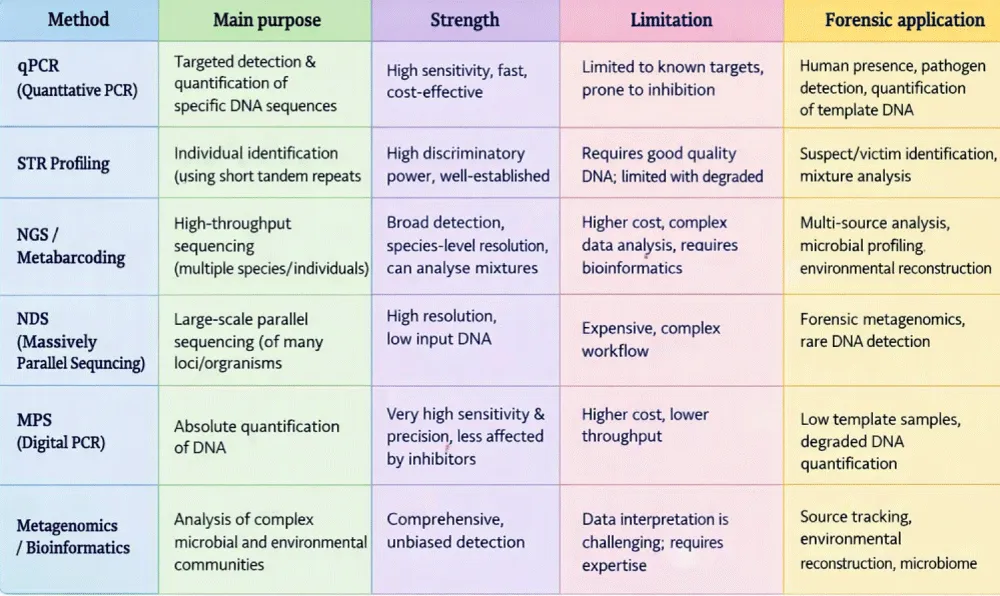
Table 2: Comparison of Major eDNA Analytical Strategies in Forensic Investigations.
Human eDNA extends the conceptual boundary of forensic biological evidence from discrete visible stains toward dispersed biological material in the environment. The literature summarized in this review indicates that human DNA can be recovered from several environmental matrices, including air, dust, water, and surfaces, and that such material can sometimes support human-specific molecular detection or downstream profiling. However, analytical detectability and forensic significance are not equivalent. The central interpretive issue is transfer. Human DNA can reach an environmental substrate through direct contact, shedding, respiratory or salivary material, and indirect pathways involving other people, objects, clothing, footwear, air, or water. Consequently, the observation of a person's DNA in an environmental sample may establish that genetic material associated with that person was recovered, but it does not independently establish when the DNA was deposited or the activity that caused deposition. Persistence introduces a second major uncertainty. Temperature, ultraviolet exposure, moisture, microbial activity, pH, substrate properties, and physical disturbance can alter DNA recovery and integrity. A positive result may therefore reflect material deposited before the event of interest, while a negative result may reflect sampling heterogeneity, degradation, or inhibition rather than genuine absence. This is why time-since-deposition conclusions require dedicated experimental support and should not be inferred solely from detection. Low-template and mixed environmental DNA further complicate interpretation. Sensitive amplification can reveal very small quantities of DNA, but stochastic effects and contributor complexity can increase uncertainty. NIST's scientific foundation review emphasizes that low-template and mixture evidence requires attention to contributor number, contamination, relevance, transfer, and persistence. These principles are directly relevant to human eDNA, where environmental accumulation can produce complex mixtures. Method validation therefore needs to be matrix-specific. A procedure that performs adequately with a conventional reference sample cannot automatically be assumed to perform equivalently with soil, dust, air filters or aquatic concentrates. Validation should include recovery studies, inhibition experiments, contamination challenges, replicates, degradation studies, transfer experiments, sensitivity/specificity assessment, and inter-laboratory comparisons. ENFSI and SWGDAM guidance provides useful forensic DNA validation principles that can be adapted to this emerging application. The review also identifies an important distinction between ecological eDNA and human forensic eDNA. Ecological applications often focus on species detection or community composition, whereas forensic human eDNA may require individual profiling and interpretation of the evidentiary meaning of a trace. Therefore, ecological methods can inform sampling and molecular workflows, but forensic implementation requires additional quality assurance, validation, and interpretation frameworks. In the Indian context, climatic and environmental heterogeneity creates both an opportunity and a methodological challenge. Research should characterize human eDNA recovery across representative Indian environments rather than assuming that persistence, inhibition and transfer data generated elsewhere apply uniformly. Matrix-specific SOPs, controlled persistence experiments, inter-laboratory validation and reference datasets would strengthen the scientific basis for future forensic use. Overall, the evidence supports a cautious but research-oriented view of human eDNA. Its principal value is the ability to access genetic information from environments in which conventional biological evidence may be sparse, dispersed or difficult to observe. Its principal limitation is that environmental context can obscure the relationship between a detected DNA profile and the event under investigation. The most defensible future pathway is therefore integration with conventional forensic DNA analysis and other independent evidence rather than treating environmental DNA as a stand-alone explanation of an event.
Critical evidence synthesis
Across the reviewed literature, three themes recur: analytical sensitivity is improving, environmental transfer/persistence remain major sources of uncertainty, and standardized forensic validation is still needed. Accordingly, future studies should prioritize controlled experiments over purely descriptive demonstrations. Studies should report sample matrix, environmental conditions, sampling area or volume, extraction chemistry, DNA concentration, inhibition status, profiling success, replicate results, and interpretation criteria so that findings can be compared across laboratories. Quantitative examples of recovery, degradation, transfer and false-positive/false-negative risks should be reported wherever experimental data permit.
Human environmental DNA is an emerging component of forensic molecular biology with potential applications in crime-scene investigation, environmental association, missing-person searches, aquatic investigations and other situations where conventional biological evidence is limited. The current evidence demonstrates analytical potential, but routine forensic implementation requires stronger validation of sampling, extraction, amplification, profiling and interpretation. In particular, low-template DNA, contamination, PCR inhibition, mixed profiles, secondary transfer, environmental transport and uncertainty about deposition time must be explicitly addressed. Current forensic guidance from ENFSI, SWGDAM and ISO, together with scientific foundation work such as the NIST review of DNA mixture interpretation, provides useful principles for quality assurance and interpretation, but human eDNA requires additional matrix-specific validation. Future Indian research should focus on standardized SOPs, persistence and transfer experiments, inter-laboratory validation, reference datasets, cost-effective workflows and scientifically supported reporting. Human eDNA should therefore be developed as a complementary forensic approach whose conclusions remain proportional to the quality, quantity and context of the genetic evidence.
- Taberlet P, Bonin A, Zinger L, Coissac E. Environmental DNA: For biodiversity research and monitoring. Oxford: Oxford University Press; 2018. Available from: https://dx.doi.org/10.1093/oso/9780198767220.001.0001.
- Barnes MA, Turner CR. The ecology of environmental DNA and implications for conservation genetics. Conserv Genet. 2016;17:1‑17. Available from: https://dx.doi.org/10.1007/s10592-015-0775-4.
- Saha N, Singh N, Samuel M. Environmental DNA (eDNA) from humans: Review of recent advancements and forensic implications. Int J Legal Med. 2026. Available from: https://dx.doi.org/10.1007/s00414-026-03911-0.
- Ficetola GF, Miaud C, Pompanon F, Taberlet P. Species detection using environmental DNA from water samples. Biol Lett. 2008;4(4):423‑425. Available from: https://dx.doi.org/10.1098/rsbl.2008.0118.
- Rees HC, Maddison BC, Middleditch DJ, Patmore JR, Gough KC. The detection of aquatic animal species using environmental DNA—A review of eDNA as a survey tool in ecology. J Appl Ecol. 2014;51(5):1450‑1459. Available from: https://dx.doi.org/10.1111/1365-2664.12306.
- Goray M, Taylor D, Bibbo E, Fantinato C, Fonneløp AE, Gill P, van Oorschot RAH. Emerging use of air eDNA and its application to forensic investigations—A review. Electrophoresis. 2024;45(9‑10):916‑932. Available from: https://dx.doi.org/10.1002/elps.202300228.
- van Oorschot RAH, Ballantyne KN, Mitchell RJ. Forensic trace DNA: A review. Investig Genet. 2010;1:14. Available from: https://dx.doi.org/10.1186/2041-2223-1-14.
- Burrill J, Daniel B, Frascione N. A review of trace “touch DNA” deposits: Variability factors and an exploration of cellular composition. Forensic Sci Int Genet. 2019;39:8‑18. Available from: https://dx.doi.org/10.1016/j.fsigen.2018.11.019.
- Dass MA, Sherman CDH, Nai YH, Ellis MR, van Oorschot RAH, Durdle A. Assessing the use of environmental DNA (eDNA) as a tool in the detection of human DNA in water. J Forensic Sci. 2022;67(6):2299‑2307. Available from: https://dx.doi.org/10.1111/1556-4029.15124.
- Goldberg CS, Turner CR, Deiner K, Klymus KE, Thomsen PF, Murphy MA, Spear SF, McKee A, Oyler‑McCance SJ, Cornman RS, Laramie MB, Mahon AR, Lance RF, Pilliod DS, Strickler KM, Waits LP, Fremier AK, Takahara T, Herder JE, Taberlet P. Critical considerations for the application of environmental DNA methods to detect aquatic species. Methods Ecol Evol. 2016;7(11):1299‑1307. Available from: https://dx.doi.org/10.1111/2041-210X.12595.
- Boom R, Sol CJA, Salimans MMM, Jansen CL, Wertheim‑van Dillen PME, van der Noordaa J. Rapid and simple method for purification of nucleic acids. J Clin Microbiol. 1990;28(3):495‑503. Available from: https://dx.doi.org/10.1128/JCM.28.3.495-503.1990.
- Deiner K, Renshaw MA, Li Y, Olds BP, Lodge DM, Pfrender ME. Long‑range PCR allows sequencing of environmental DNA from diverse aquatic systems. Mol Ecol Resour. 2017;17(3):e129‑e139. Available from: https://dx.doi.org/10.1111/1755-0998.12620.
- Lewis M, Lainé K, Dawnay L, Lamont D, Scott K, Mariani S, Hänfling B, Dawnay N. The forensic potential of environmental DNA (eDNA) in freshwater wildlife crime investigations: From research to application. Sci Justice. 2024;64(4):443‑454. Available from: https://dx.doi.org/10.1016/j.scijus.2024.06.003.
- Machida M, Kibayashi K. STR analysis of human DNA recovered from bathwater and other water samples for forensic identification. PLoS One. 2026;21(3):e0345878. Available from: https://dx.doi.org/10.1371/journal.pone.0345878.
- Ghemrawi M, Ramírez Torres A, Duncan G, Colwell R, Dadlani M, McCord B. The genital microbiome and its potential for detecting sexual assault. Forensic Sci Int Genet. 2021;51:102432. Available from: https://dx.doi.org/10.1016/j.fsigen.2020.
- Whitmore L, McCauley M, Farrell JA, et al. Inadvertent human genomic bycatch and intentional capture raise beneficial applications and ethical concerns with environmental DNA. Nat Ecol Evol. 2023;7:873‑888. Available from: https://dx.doi.org/10.1038/s41559-023-02056-2.
- Bibbo E, Taylor D, van Oorschot RAH, Goray M. Air DNA forensics: Novel air collection method investigations for human DNA identification. J Forensic Sci. 2025;70(1):298‑313. Available from: https://dx.doi.org/10.1111/1556-4029.15662.
- European Network of Forensic Science Institutes (ENFSI). Guideline for internal validation/verification of DNA profiling methods (DNA‑GDL‑002). 2024. Available from: https://enfsi.eu/wp-content/uploads/2024/02/ENFSI-Validation-Guideline-04012024.pdf.
- Scientific Working Group on DNA Analysis Methods (SWGDAM). SWGDAM validation guidelines for DNA analysis methods: Overview document. 2026. Available from: https://www.swgdam.org/publications.
- Butler JM, Iyer HK, Press RA, Taylor M, Vallone PM, Willis S. DNA mixture interpretation: A NIST scientific foundation review (NISTIR 8351). Gaithersburg (MD): National Institute of Standards and Technology; 2024. Available from: https://dx.doi.org/10.6028/NIST.IR.8351.
- International Organization for Standardization. ISO 21043‑1:2025. Forensic sciences—Part 1: Vocabulary. Geneva: ISO; 2025. Available from: https://www.iso.org/standard/87128.html.