
More Information
Submitted: April 20, 2026 | Accepted: April 30, 2026 | Published: May 02, 2026
Citation: Sharma M, Darshitha DS, Soni P, Devi R, Dubey AK. Role of Advanced Analytical Techniques in Environmental Toxicology. J Forensic Sci Res. 2026; 10(1): 34-42. Available from:
https://dx.doi.org/10.29328/journal.jfsr.1001114
DOI: 10.29328/journal.jfsr.1001114
Copyright license: © 2026 Sharma M, et al. This is an open access article distributed under the Creative Commons Attribution License, which permits unrestricted use, distribution, and reproduction in any medium, provided the original work is properly cited.
Keywords: Persistent organic pollutants; Environmental toxicants; Gas chromatography-mass spectrometry; Liquid chromatography–mass spectrometry; High-resolution mass spectrometry; Fourier transform infrared spectroscopy; Nuclear magnetic resonance spectroscopy; Environmental monitoring
Abbreviations: GC-MS: Gas Chromatography–Mass Spectrometry; LC-MS: Liquid Chromatography–Mass Spectrometry; HPLC: High Performance Liquid Chromatography; UPLC: Ultra Performance Liquid Chromatography; ICP-MS: Inductively Coupled Plasma–Mass Spectrometry; FTIR: Fourier Transform Infrared Spectroscopy; NMR: Nuclear Magnetic Resonance; HRMS: High Resolution Mass Spectrometry; AAS: Atomic Absorption Spectroscopy; POPs: Persistent Organic Pollutants; ADME: Absorption, Distribution, Metabolism, Excretion

Role of Advanced Analytical Techniques in Environmental Toxicology
Meghna Sharma1*, Darshitha DS2, Priyanka Soni1, Renu Devi1 and Atul Kumar Dubey1
1Assistant Professor, NIMS School of Forensic Sciences, NIMS University, Jaipur, Rajasthan, India
2Research Scholar, NIMS School of Forensic Sciences, NIMS University, Jaipur, Rajasthan, India
*Corresponding author: Meghna Sharma, Assistant Professor, NIMS School of Forensic Sciences, NIMS University, Jaipur, Rajasthan, India, Email: [email protected]
Environmental toxicology focuses on the detrimental impacts of chemical, biological, and physical agents on living organisms and ecosystems. This review aims to critically evaluate the role of advanced analytical techniques in improving the detection, identification, and quantification of environmental toxicants. As environmental contaminants become increasingly complex, including persistent organic pollutants (POPs), heavy metals, microplastics, and emerging pollutants, there is an urgent demand for analytical methods that provide high sensitivity, specificity, and accuracy.
Methods: A comprehensive literature-based analysis was conducted focusing on chromatographic, spectroscopic, and omics-based techniques including gas chromatography-mass spectrometry, liquid chromatography–mass spectrometry, inductively coupled plasma-mass spectrometry, and high-resolution mass spectrometry.
Key observations: Advanced analytical tools demonstrate ultra-trace detection capabilities (ng/L to pg/L levels), enhanced selectivity, and multi-residue analysis, significantly outperforming conventional methods. Integration with omics approaches provides molecular-level insights into toxicological mechanisms.
Conclusion: The study highlights that modern analytical platforms enable early detection, real-time monitoring, and improved risk assessment. This review contributes novel insight by integrating multi-technique analytical advancements with their toxicological applications and regulatory relevance, supporting future environmental monitoring strategies and policy development.
This "science of poisons" entails a variety of topics, including the physical & chemical properties of poisons, their physiological or behavioural effects on living things, qualitative and quantitative methods for analysing them, and the development of protocols for treating poisoning. Even though poisons have existed since the beginning of time, the field of toxicology was founded by Paracelsus (1493–1541) and Orfila (1757–1853). Prevailing toxicology is considered by refined scientific analysis and assessment of harmful exposures. The 20th century is distinguished by a high degree of toxicological knowledge. They discovered biochemicals that maintain cell function, including DNA [1]. Furthermore, Rachel Carson's book Silent Spring is attributed with launching the field of environmental toxicology in the 1960s by drawing attention to the damage that pesticides were causing to both the human health and the environment. Since then, the discipline has undergone substantial change, propelled by developments in molecular biology, analytical chemistry, and ecotoxicology [2]. In modern times, environmental toxicology is an interdisciplinary field that incorporates knowledge from biology, ecology, chemistry, and medicine, among other fields. The field's main goals are to comprehend how harmful compounds affect human health and environment to create practical strategies for evaluating and lessening those effects [3].
Environmental toxicology is an interdisciplinary that deals with the learning of the harmful effects of physical, biological, and chemical agents on biota, especially in the context of ecological systems. It involves the examination of exposure pathways, fate, and toxicity of xenobiotics in the environment, evaluating risks to human health and ecosystem integrity. With the growing industrialization and urbanization, the environment is now a sink for multiple contaminants, and environmental toxicology has become imperative for public health and policy [4]. Analytical techniques form the backbone of environmental toxicology, delivering accurate, precise, and reproducible data that are a prerequisite for the detection of contaminants, determining exposure levels, and creating toxicological profiles. They assist in quantifying trace amounts of contaminants in different matrices (e.g., air, soil, water, tissues) to allow for early detection and risk avoidance. Since environmental pollutants tend to be at tiny concentrations, sophisticated equipment plays a pivotal role in successful monitoring and compliance (Hoffman et al., 2017). In this research, it is sought to bring the changing relevance of advanced analytical methods in environmental toxicology into focus. It emphasizes the identification of how recent techniques have enhanced the sensitivity, specificity, and speed of contaminant identification. The scope includes a range of pollutants, their toxicological effect, and the shift from conventional to state-of-the-art analytical techniques.
Categorization of environmental pollutants
Environmental contaminants are generally classified as organic (e.g., pesticides, PCBs, PAHs), in inorganic (e.g., heavy metals such as mercury, arsenic, and lead), in physical such a s radiation, microplastics, and biological (e.g., pathogens, mycotoxins). Each category exhibits specific environmental fate and toxicological characteristics. Persistent Organic Pollutants (POPs), for instance, are prone to breakdown and biomagnify in food webs, exposing people to chronic health risks [5].
Sources and pathways of contamination
There are two pathways for pollutants to get into the environment such as anthropogenic sources (e.g., industrial effluent, agricultural runoff, automobile emissions) and natural sources (e.g., volcanism, wildland fires) [6]. The released contaminants migrate through pathways of air, water, and soil. Passage through food webs (bioaccumulation and biomagnification) is particularly important in toxicology because low environmental levels can produce high organismal burdens [7].
Mechanisms of toxicity and toxic kinetic
Toxic kinetic and mechanisms of toxicity are key principles in toxicology that describe how chemicals become toxic in living beings. Toxico kinetic explains the process through which a compound gets into, passes through, and is eliminated from the body, while mechanisms of toxicity outline how chemicals interact with biological structures to lead to toxicities [8]. Toxic kinetic is the process of absorption, distribution, breakdown, and elimination (ADME) of poisons. Multiple pathways (oral, inhalation and dermal,) allow toxic chemicals to enter the body. They are often rapidly absorbed and widely distributed, even passing through barriers like the placenta and blood-brain barrier [9]. The majority of toxicants undergo metabolism in the liver and are excreted via the kidneys. Rate and route of metabolism can affect toxicity, with some chemicals needing bioactivation to become toxic [10]. Further, internal concentration (tissue residue) measurements give a better indication of toxicity than external exposure concentrations because they correct for toxicokinetic species differences [11]. Physiologically based toxic kinetic models and in vitro–in vivo extrapolation models are being increasingly employed to generate estimates of human toxicity and diminish the need for animal testing [10].
The method of toxicology is different, like it may include molecular interaction, receptor binding, drug metabolism, or inhibition of protein synthesis. It could further vary—some chemicals induce oxidative stress, DNA damage, or endocrine disruption. For example, dioxins act by binding to the aryl hydrocarbon receptor (AhR) and changing gene expression and immune systems. Toxicants can interact with cellular targets like receptors, enzymes, or DNA and this can disrupt normal biological functions [12]. The reversibility or irreversibility of receptor binding dictates whether the toxicity is time-dependent or mainly concentration-dependent [13]. Nicotinic alkaloids are agonists at nicotinic acetylcholine receptors, producing a biphasic toxic effect (stimulation preceded by inhibition) [14]. Protein production inhibits and oxidative stress induction is caused via some toxins, such as cylindrospermopsin [14]. Cellular damage in signal transduction and regulatory networks can result from the formation of reactive intermediates during drug metabolism. Knowing these mechanisms is essential in evaluating health consequences and implementing intervention strategies, as these toxicants not only affect individuals physiologically but mentally as well [6].
Manuscript type: This manuscript is a comprehensive review article.
Aim and scope
This review aims to systematically analyze recent advancements in analytical techniques used in environmental toxicology and evaluate their effectiveness in detecting complex environmental contaminants. The scope includes chromatographic, spectroscopic, and emerging biosensor-based approaches, along with their applications in monitoring pollutants, understanding toxicological mechanisms, and supporting regulatory compliance.
Novel contribution: Unlike conventional reviews, this study integrates analytical performance, application domains, and toxicological relevance, offering a multidimensional perspective that bridges analytical chemistry with environmental risk assessment.
Traditional analytical methods, including spectrophotometry and simple chromatography, usually lack the sensitivity to distinguish low concentrations of emerging pollutants. They are usually time-consuming, have extensive sample preparation needs, and may not be multi-analyte. This limits their use in real-time analysis and high-throughput applications [15,16].
Advantages of contemporary analytical methods
Advanced analytical methods provide high sensitivity, selectivity, and robustness. Methods like ICP-MS enable the trace analysis of metals, while omics sciences (proteomics, metabolomics) allow system-level toxicological screenings. Such instruments enable efficient and quick identification, quantitation, and fingerprinting of contaminants, transforming environmental monitoring and risk evaluation [17,18].
Advanced analytical techniques used in environmental toxicology
Chromatographic methods
Gas chromatography: Analysing chromatography is the method that is used in environmental toxicology to segregate the analysing compounds that are volatile in nature [19].
Principle: Gas chromatography works on the principle of segregation of analytes between a mobile phase (carrier gas such asinert gases) and a stationary phase, i.e., a fused silica capillary. Each compound elutes at a characteristic retention time depending on its chemical nature and interaction with the column material
Sample preparation: Preparation requires collecting the sample, concentration (via solid-phase micro extraction or solvent extraction), purification, and at times, derivatization to improve volatility or detectability.
Instrumentation: A GC system comprises an injector, column, oven, and detectors. Common detectors (ECD) and (FID). Gas chromatography is often combined with mass spectrometry (GC-MS) to enhance compound analysis.
Application in environmental toxicology: Gas chromatography works as a detector for organic volatile substances in air, water, and soil. Hazardous air pollutants (HAPs) and persistent organic pollutants (POPs) must be identified, and industrial emissions must be tracked. It is crucial for assessing environmental exposure and risk because of its sensitivity and capacity to separate complex mixtures.
High performance liquid chromatography: It is flexible and commonly used method for investigating non-volatile and thermally unstable environmental contaminants like as pharmaceutical residues, herbicides, and phenolic compounds [20].
Principle: HPLC separates components depending on their bonding with the mobile phase and a stationary phase under high pressure. Because of differences in molecular weight, polarity, and solubility, different compounds move through the column at different rates.
Sample preparation: It requires filtration, dilution, and often solid-phase extraction to isolate required analytes from complex matrices such as wastewater, biological fluids, and sediments.
Instrumentation: This system usually requires a solvent pool, pump, injector, column, detector (usually UV-Vis or diode-array), and a data system. It is also often coupled with MS (HPLC-MS) for greater sensitivity and specificity.
Application in environmental toxicology: HPLC is designed to observe environmental levels of antibiotics, endocrine-disrupting chemicals, and various organic pollutants. It is essential in the examination of samples from drinking water, industrial effluents, and biological systems.
Ultra performance liquid chromatography: It is a next-generation chromatographic tool that offers faster and more effective segregation of analytes than conventional HPLC. It is especially suitable for trace-level detection of emerging pollutants in environmental matrices [21].
Principle: UPLC uses columns filled with sub-2-micron particles to function at high pressures (up to 15,000 psi). This results in higher resolution, faster analysis, and better sensitivity.
Sample preparation: Same as HPLC, including filtration, dilution, and solid-phase extraction. Because of smaller column diameters, highly pure solvents and thorough sample filtration are crucial to avoid clogging.
Instrumentation: Contains high-pressure pumpts, specialized columns, rapid-response detectors, and automated injection systems. It can be interfaced with mass spectrometry (UPLC-MS/MS) for improved detection.
Application in environmental toxicology: UPLC is ideal for screening low-concentration contaminants such as synthetic dyes, pharmaceuticals, and nanomaterials in complex matrices like wastewater, sludge, and biological samples.
While advanced analytical techniques such as GC-MS, LC-MS, and ICP-MS provide superior sensitivity and multi-residue detection, their application is often limited by high operational costs, requirement of skilled personnel, and complex sample preparation procedures. In contrast, biosensor-based approaches offer rapid and field-deployable solutions but may lack the same level of precision and reproducibility. Therefore, the selection of analytical techniques should be context-specific, balancing sensitivity, cost, and scalability.
Atomic absorption spectroscopy
It is a broadly used technique for measuring metal particles in environmental specimens. It is focused on analysing the pollution caused by heavy metals present in soil, water, and biological specimens [22].
Principle: It operates on the tenet that certain wavelengths of light are absorbed by ground-state atoms. Elemental concentration of the sample is directly proportional to the light absorbed.
Sample preparation: This method involves acid digestion of solid or liquid samples to release. The element's concentration of light is directly associated with the amount of light absorbed metals into a measurable form. The sample is then diluted and filtered before analysis.
Instrumentation: AAS comprises a light source, monochromator, and detector. Flame AAS is applicable for higher concentrations, whereas graphite furnace Atomic Absorption Spectroscopy is ideal for trace examination.
Application in environmental toxicology: It is used to calculate the concentration of lead, arsenic, mercury, cadmium, and other toxic metals. It acts as an important part in monitoring compliance with environmental standards and evaluating ecological and human health risk [23,24].
Inductively coupled plasma mass spectroscopy
Environmental samples can be subjected to multi-elemental and isotopic analysis using the sensitive and versatile ICP-MS technique [25].
Principle: In this method samples are introduced into a high-temperature argon plasma, where they are ionized. The subsequent ions are then fixed into a mass spectrometer, which segregates them depending on their mass-to-charge ratios.
Sample preparation: Environmental samples needed acid digestion (often using microwave-assisted digestion) to bring elements into solution. Dilution and filtration follow, safeguarding compatibility with the instrument.
Instrumentation: An ICP-MS system has a nebulizer, plasma torch, interface, mass analyzer (quadrupole or time-of-flight), and detector. The modern system suggests collision/reaction cells to reduce interferences.
Application in environmental toxicology: ICP-MS helps in the detection of trace and ultra-trace levels of metals and metalloids in water, soil, sediments, and biological samples. It is also used for metal speciation and isotopic ratio studies, essential for tracing pollution sources [26].
Fourier transform infrared spectroscopy
Based on molecular vibrations, FTIR spectroscopy is a quick and non-destructive method for identifying organic and some inorganic materials [27].
Principle: The idea behind FTIR is to measure how much infrared light at different wavelengths is absorbed by a sample. Each peak in the resulting spectrum represents a distinct bond or functional group, making it the sample's molecular fingerprint.
Sample preparation: Minimal preparation is needed. Solids can be analyzed via attenuated total reflectance (ATR), while liquids and gases can be examined in specialized cells
Instrumentation: An FTIR spectrometer includes an IR source, interferometer, sample holder, and detector. The use of Fourier transformation allows for rapid and simultaneous measurement of all IR frequencies.
Application in environmental toxicology: This method helps in the identification of microplastics, polymers, and organic pollutants in water, soil, and air. It is useful in the study of degradation and screening of chemical transformation in environmental processes.
Nuclear magnetic resonance
It is an essential analytical tool used for ecological toxicology to get insights of molecular form and dynamics of organic pollutants and metabolites. It provides non-destructive and detailed insights into chemical environments [28].
Principle: The foundation of the NMR principle is the observation that, in the presence of a strong magnetic field, some atomic nuclei will absorb radiofrequency radiation. At particular resonance frequencies that are extremely sensitive to the chemical environment of the nuclei, this absorption takes place.
Sample preparation: Involves dissolving solid or liquid environmental samples in deuterated solvents. The solution is placed in a special NMR tube, and impurities like water are carefully removed to avoid signal interference.
Instrumentation: The NMR instrument comprises a superconducting magnet, radiofrequency transmitter and receiver coils, a probe, and a computer-controlled data acquisition system. High-field instruments provide greater resolution and sensitivity.
Applications in environmental toxicology: NMR is used to study structural elucidation of organic pollutants, identify transformation products in degradation pathways, and profile metabolites in exposed organisms. It is valuable in ecotoxicological research, particularly in evaluating biochemical responses to pollutant exposure [29].
Biosensor & nanotechnology
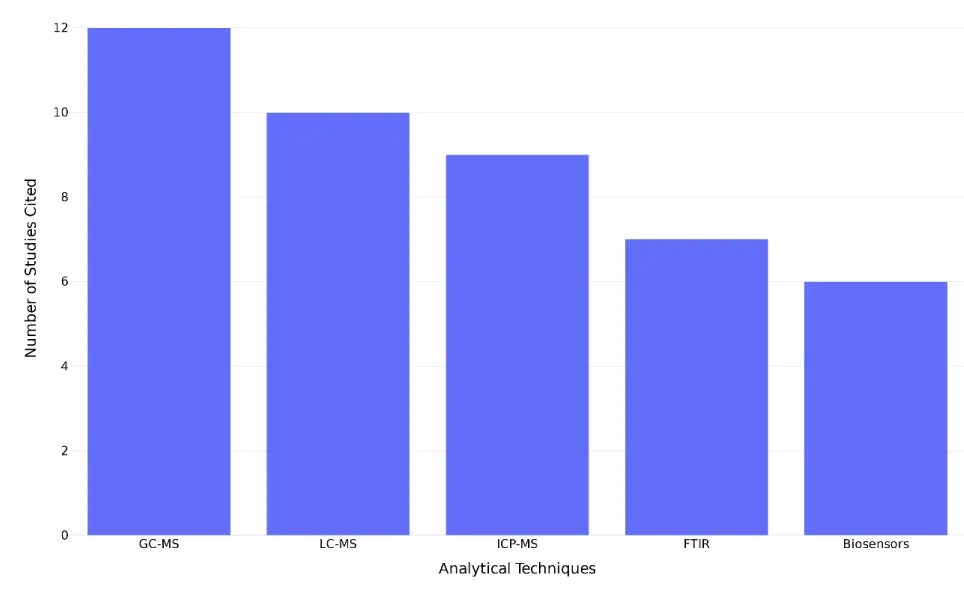
Figure 1: Distribution of reviewed studies based on commonly used analytical techniques in environmental toxicology.
The integration of biosensors and nanotechnology offers innovative and rapid solutions for detecting environmental toxicants at ultra-low levels. These systems are ideal for field-deployable, real-time environmental monitoring [30].
Principle: Biosensors operate by coupling a genetically identified components such as enzyme, antibody, or nucleic acid with a transducer (e.g., electrochemical, optical, or piezoelectric). Nanomaterials such as nanoparticles, nanotubes, or quantum dots enhance signal transduction and sensitivity.
| Table 1: Key Parameters that are used using different analytical techniques. | |||
| Analytical Technique | Key Parameters | Description(from Paper) | Reference |
| Gas Chromatography (GC/GC-MS) | High sensitivity; High specificity; Accurate for volatile organic compounds | Used to detect volatile organic pollutants in air, water, and soil. Offers excellent resolution and compound separation. Often paired with MS for enhanced identification. | (Santos et al., 2002) |
| High Performance Liquid Chromatography (HPLC) | High precision; Moderate sensitivity; Suitable for non-volatile analytes | Useful for detecting pharmaceutical residues, herbicides, phenols. Often coupled with UV or MS detectors. | (Lawrence et al., 1987) |
| Ultra-Performance Liquid Chromatography (UPLC) | Very high sensitivity and resolution; Rapid analysis | Advanced form of HPLC with sub-2-micron particles; ideal for emerging contaminants. | (Taleuzzaman et al., 2015) |
| Atomic Absorption Spectroscopy (AAS) | High accuracy; Suitable for trace metal detection | Measures concentration of toxic metals like lead, arsenic, mercury. Suitable for solid/liquid environmental samples. | (García & Báez, 2012; Rubio et al., 1992) |
| Inductively Coupled Plasma-Mass Spectrometry (ICP-MS) | Ultra-trace sensitivity; High accuracy; Multi-element analysis | Enables detection of metals and metalloids; used in isotopic analysis and pollution source tracking. | (Ammann, 2007; Beauchemin, 2008) |
| Fourier Transform Infrared Spectroscopy (FTIR) | Moderate sensitivity; Non-destructive; Fast analysis | Identifies microplastics, polymers, and organics via IR absorption. Each sample provides a unique spectral fingerprint. | (Bacsik et al., 2004) |
| Nuclear Magnetic Resonance Spectroscopy (NMR) | High specificity; Molecular-level insights; Non-destructive | Reveals structural and metabolic changes caused by toxicant exposure; used for organic pollutant elucidation. | (Delort et al., 2003; Simpson et al., 2018) |
| Biosensors & Nanotechnology-based Methods | Ultra-low detection limits; Real-time; Field-deployable | Uses biological recognition elements (e.g., enzymes) enhanced with nanomaterials for detecting heavy metals, pesticides, etc. | (Nikolelis et al., 2018; Salek Maghsoudi et al., 2021) |
Sample preparation: Minimal preparation is needed, as biosensors are designed for direct analysis of air, water, or soil samples. In some cases, samples are pre-concentrated or filtered to remove debris.
Instrumentation: Biosensor setups can range from handheld devices to sophisticated lab-based analyzers. Components typically include a recognition layer, transducer surface, signal processor, and display/output interface. Devices may be integrated with smartphones or wireless systems for data transmission.
Applications in environmental toxicology: Biosensors detect heavy metals, pesticides, microbial toxins, and pharmaceutical residues. Nanotechnology enhances detection limits and enables multiplexed analysis. These systems are valuable in early-warning systems, remote sensing, and on-site diagnostics [31].
Monitoring air, water, and soil pollutants
Monitoring air, water, and soil pollutants is critical to environmental protection, public health, and sustainable development. Anthropogenic activities like as vehicular emissions, industrial discharges, and agricultural runoff have significantly deteriorated the quality of these natural resources. Air pollution monitoring focuses on key pollutants like sulfur dioxide (SO₂), nitrogen oxides (NOx), ozone (O₃), carbon monoxide (CO), and particulate matter (PM2.5 and PM10), while water and soil monitoring include assessing chemical parameters such as heavy metals (Pb, Cd, Hg), nitrates, phosphates, and microbial contaminants [32]. In India, real-time monitoring initiatives by the Central Pollution Control Board (CPCB) through Continuous Ambient Air Quality Monitoring Stations (CAAQMS) have significantly improved data acquisition and regulatory oversight (CPCB, 2020).
Modern techniques like inductively coupled plasma mass spectrometry, atomic absorption spectroscopy, and UV-Vis spectrophotometry are widely employed to quantify trace levels of pollutants in water and soil [33]. Remote sensing and geographic information systems have also appeared as strong tools for spatial mapping and temporal trend analysis, aiding in the identification of pollution hotspots [34]. Globally, machine learning models and satellite-based data integration have revolutionized environmental monitoring. For instance, Zhang, et al. [35] demonstrated the use of artificial intelligence to forecast air quality in Beijing, integrating meteorological and pollution data. In Europe, similar advancements have enabled predictive modeling of transboundary pollution and its impact on ecosystems [36].
In India, pollution in the Ganga and Yamuna rivers has been extensively studied, revealing alarming levels of fecal coliforms and toxic metals due to untreated sewage and industrial waste [37]. Accurate monitoring helps ensure compliance with national and international guidelines such as those set by the WHO, BIS, and US EPA. It also informs policy decisions, public health interventions, and environmental restoration programs. Overall, integrating modern analytical methods with big data analytics and real-time sensor networks is essential for tackling environmental degradation in a rapidly urbanizing world [38].
Pesticide and heavy metal detection
The detection of pesticides and toxic metals in environmental matrices is important due to their toxicity, bioaccumulation, and long-term ecological impacts. Pesticides like organochlorines, organophosphates, and carbamates are widely used in agriculture, but improper application and runoff lead to contamination of nearby water bodies and soil. Likewise, heavy metals such as arsenic, lead, cadmium, and mercury are nonbiodegradable and cause risks to plants, animals, and humans through bioaccumulation [39]. For pesticide detection, analytical methods like cadmium, gas chromatography-mass spectrometry, high-performance liquid chromatography, and enzyme-linked immunosorbent assays are frequently employed [40]. For heavy metals, methods like AAS, ICP-OES, and X-ray fluorescence (XRF) offer high sensitivity and specificity. In India, several studies have shown alarming levels of pesticide residues in vegetables and groundwater, especially in agricultural hubs like Punjab and Andhra Pradesh (Suresh et al., 2019). A study by Rajendran & Kumar [41] found elevated lead and cadmium levels in irrigation water near industrial zones in Tamil Nadu, exceeding WHO permissible limits.
Internationally, toxic metal pollution in soils near e-waste recycling units in China and Africa has raised global concerns [42]. In the EU, continuous pesticide monitoring programs ensure that food and environmental safety regulations are strictly enforced. Public health implications include neurological damage, carcinogenicity and reproductive toxicity, particularly among children and agricultural workers exposed to contaminated environments [43]. The development of biosensors and portable detection kits has further improved on-site detection capabilities, particularly in rural and remote regions [44]. Phytoremediation, bioremediation and the use of metal accumulating plants is among the sustainable strategies explored to mitigate carcinogenicity anxiety and pollution [45].
Analysis of persistent organic pollutants
The harmful, lipophilic substances known as persistent organic pollutants bioaccumulate in ecosystems and are unaffected by environmental degradation. Persistent Organic Pollutants include furans, dioxins, polychlorinated biphenyls, and some organochlorine pesticides such as DDT and aldrin. POPs have been detected in areas distant from their sources, such as the Arctic, because of their stability and long-range atmospheric transport [46]. Endocrine disruption, reproductive toxicity, and carcinogenicity are just a few of the major health risks associated with their presence in the air, water, soil, and biota.
In India, several studies have highlighted the existence of POPs in agricultural lands, industrial effluents, and urban waste. For instance, Singh et al. [47] reported elevated PCB concentrations in sediments from the Yamuna River, particularly downstream of Delhi's industrial belt. These chemicals enter aquatic systems through industrial discharge, improper waste disposal, and runoff, persisting for decades. Because of their high sensitivity and selectivity, analytical methods like liquid chromatography-tandem mass spectrometry and gas chromatography coupled with high-resolution mass spectrometry are the gold standards for POP detection [48]. POP surveillance has improved globally as a result of developments in passive air sampling and non-target screening. For example, Rahman, et al. [49] employed passive samplers across South Asia to map atmospheric levels of organochlorine pesticides. Long-term data from these programs help assess the effectiveness of regulatory actions and provide early warning signs of new POPs entering the environment.
The ecological impacts of POPs include decline in avian reproduction, fish deformities, and microbial community disruption. Their accumulation in human tissues, including breast milk and adipose tissue, has been documented in both rural and urban populations [50]. Continuous monitoring, advanced analytical tools, international collaboration, and strong regulatory enforcement are essential to manage and eventually eliminate the threat posed by POPs to both human and environmental health.
Detection of emerging contaminants
Emerging contaminants are the chemicals that originate either naturally or chemically and are not monitored in environment but may have detrimental effect. These consist of endocrine-disrupting chemicals (EDCs), flame retardants, microplastics, medications and personal care products, and nanomaterials. Their widespread occurrence in water bodies, soil, and even air has been attributed to increasing industrialization, consumer product use, and inadequate waste treatment systems [51].
Emerging Contaminants are not easily detected at trace level, which is one of the major [52]. Advanced analytical tools like High-Resolution MS (HRMS), nuclear magnetic resonance, and non-target screening methods are now being used to detect and identify ECs in complex environmental samples. A study by Sharma, et al. [32] in urban lakes of Bengaluru identified the presence of antibiotics, caffeine, and parabens, indicating sewage intrusion and pharmaceutical waste contamination.
Microplastics and nanoplastics have become a global concern, with studies detecting them in drinking water, seafood, and even human blood [53]. In India, sediments from the Vembanad Lake in Kerala were found to contain high concentrations of microplastics from domestic and industrial waste [54]. These particles can carry toxic pollutants, disrupt aquatic food webs, and bioaccumulate in organisms. EDCs such as bisphenol A (BPA), phthalates, and triclosan mimic natural hormones and interfere with reproductive and developmental processes. Large time exposure to such compounds has been linked to infertility, hormonal imbalances, and developmental disorders [53].
Globally, the European Union and the United States Environmental Protection Agency (US EPA) have initiated watch lists and risk assessments for ECs. In India, the Ministry of Jal Shakti has begun evaluating the presence of PPCPs and EDCs in major rivers, signaling the need for integrated monitoring and policy action. Tackling ECs requires a proactive approach that includes advanced detection technologies, improved wastewater treatment systems, updated regulations, and public awareness campaigns to reduce their release into the environment.
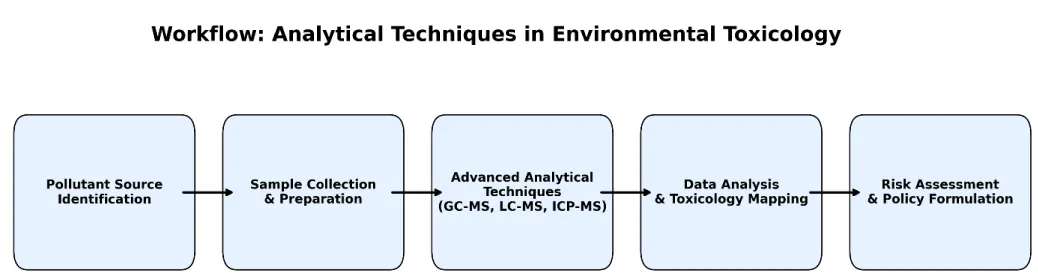
Figure 2: The role of advanced analytical techniques in environmental toxicology, from pollutant source identification to risk assessment and policy implementation.
Groundwater contamination analysis
Many public and large-scale environmental issues are caused by the infiltration of pollutants (heavy metals, nitrates) into aquatic systems, contaminating groundwater. To determine the heavy metal profiles with high sensitivity and precision, scientific methods such as Gas Chromatograph-Mass Spectrometry, Atomic Absorption Spectrophotometry, and Inductively Coupled Plasma-Mass Spectrometry are used (Sahu et al., 2019). Groundwater quality monitoring is very much essential in the regions where there are very intensive agricultural activities, unlined landfilling places, or industrial waste disposal, as pollution hazards may stay for decades before appearing in the drinking water sources [56]. Furthermore, Geographic Information Systems (GIS) deliberate on water pollution layers with water quality indices and are capable of spatial-temporal mapping of contamination hotspots for proactive management (Gupta et al., 2020).
Industrial waste monitoring
Industrial effluent surveys the regular collection of data on pollutants discharged in the air, water, and soil by the various industrial units with the goal of avoiding environmental deterioration and to safeguard the health of the public. Nowadays cutting-edge technologies such as high-performance liquid chromatography, Fourier-transform infrared spectroscopy (FTIR), and total organic winneocean carbon analyzers are widely adopted to quantify toxic substances like phenols, dyes, cyanides, and heavy metals (Patel & Trivedi, 2018). Sectors like textiles, petrochemicals, and pharmaceuticals require continuous surveillance, as the apathetic disposal of untreated effluents repeatedly results in the devastation of aquatic ecosystems and agricultural lands (Rajesh & Kumar, 2020). The development of real-time online monitoring systems associated with the Internet of Things (IoT) and artificial intelligence (AI) has been exponentially increasing data precision, automating the detection of anomalies, and providing support to regulatory reports (Sharma et al., 2022). 46SO₄;NO₁, and therefore regulatory agencies now require industry to control effluent
Use of analytical techniques in regulatory compliance
Analytical techniques play a important role in ensuring compliance with environmental, pharmaceutical, and food safety regulations by providing quantifiable evidence of pollutant levels, product quality, or contamination risks. Techniques such as UV-Vis spectrophotometry, gas chromatography (GC), and mass spectrometry (MS) are used to assess pollutants against permissible limits set by agencies like the Central Pollution Control Board (CPCB) in India and the U.S. Environmental Protection Agency (USEPA) (Chakraborty et al., 2020). In pharmaceuticals, high-precision methods like HPLC are mandated by regulatory authorities such as the FDA and EMA to ensure drug purity and stability (Mehta & Desai, 2017). Compliance with environmental standards is verified through certified laboratories that follow ISO/IEC 17025 accreditation protocols, ensuring quality assurance in data reporting (Sen & Mallick, 2019). With growing concerns over emerging contaminants and stricter regulations, analytical techniques are now being enhanced by automation, AI-based data processing, and miniaturized portable instruments for on-site regulatory inspections (Thomas et al., 2023).
Environmental toxicology necessitates the use of advanced analytical techniques due to the increasing presence of environmental contaminants and their long-term effects on ecosystems and human health. Conventional analytical methods, though essential, tend to be inadequate for identifying trace amounts of contaminants, particularly new and emerging contaminants and persistent organic pollutants. The detection of environmental toxicants has been transformed by the introduction of analytical techniques like mass spectrometry, chromatography, and biosensor-based systems.
These advanced methods allow for accurate identification and quantitation of huge range of environmental pollutants in air, water, soil, and bio-specimens by providing greater sensitivity, specificity, and real-time detection. Their application in regulatory monitoring, public health evaluation and environmental remediation has been key to tackling challenges from heavy metals, pesticides, microplastics, pharmaceuticals, and industrial effluent.
In the future, the interaction between analytical innovations, data analytics, and regulatory systems will be crucial in preventing environmental hazards. Further investment in portable, low-cost, and automated equipment coupled with cross-sectoral cooperation and capacity development will continue to solidify the world's response to environmental toxicants. New analytical techniques are no longer a choice; they are key instruments in protecting environmental and public health in a world that is becoming more industrialized.
- Langman LJ, Kapur BM. Toxicology: then and now. Clin Biochem. 2006;39(5):498–510. Available from: https://doi.org/10.1016/j.clinbiochem.2006.03.004
- Menéndez-Pedriza A, Molina-Millán L, Cuypers E, Cillero-Pastor B, Navarro-Martín L, Jaumot J, et al. Advancing environmental toxicology: the role of mass spectrometry imaging. Trends Environ Anal Chem. 2024; e00253. Available from: https://www.sciencedirect.com/science/article/pii/S2214158824000291?__cf_chl_rt_tk=EjBDCHEFneYUu5Z8vrSlKxQhq1374WZe6cs0JYuDlWg-1777626545-1.0.1.1-abwu0AABr0rxTPQaHYDZSpukd0TCr7JqMp1aPej23EQ
- Rubio S, Perez-Bendito D. Recent advances in environmental analysis. Anal Chem. 2009;81(12):4601–4622. Available from: https://pubs.acs.org/doi/10.1021/ac900738s
- Newman MC. Fundamentals of ecotoxicology: the science of pollution. Boca Raton: CRC Press; 2015. Available from: https://doi.org/10.1201/9781351133999
- Jones KC, de Voogt P. Persistent organic pollutants (POPs): state of the science. Environ Pollut. 1999;100(1–3):209–221. Available from: https://doi.org/10.1016/s0269-7491(99)00098-6
- Soni P, Singh R, Kumar A. Environmental toxicants and hazardous chemicals: threat to mental health. In: Hazardous Chemicals. Academic Press; 2025. p. 755–763. Available from: https://doi.org/10.1016/B978-0-323-95235-4.00012-8
- Walker CH, Hopkin SP, Sibly RM, Peakall DB. Principles of ecotoxicology. CRC Press; 2012. Available from: https://doi.org/10.1201/9781439894224
- Coecke S, Pelkonen O, Leite SB, Bernauer U, Bessems JGM, Bois FY, et al. Toxicokinetics as a key to integrated toxicity risk assessment based primarily on non-animal approaches. Toxicol In Vitro. 2013;27(5):1570–1577. Available from: https://www.academia.edu/23502937/Toxicokinetics_as_a_key_to_the_integrated_toxicity_risk_assessment_based_primarily_on_non_animal_approaches
- Kang Y, Zhang Y, Liu J, Lai R, Liu X, Shao L, et al. Nanomaterials and hepatic disease: toxicokinetics, mechanisms, and influencing factors. J Nanobiotechnol. 2021;19:Article 843. Available from: https://doi.org/10.1186/s12951-021-00843-2.
- Chen L, Rietjens IMCM, Ning J. Role of toxicokinetics and alternative testing strategies in pyrrolizidine alkaloid toxicity and risk assessment: state-of-the-art and future perspectives. Food Chem Toxicol. 2019;131:110572. Available from: https://doi.org/10.1016/j.fct.2019.110572 .
- Schep LJ, Slaughter RJ, Beasley DMG. Nicotinic plant poisoning. Clin Toxicol. 2009;47:771–781. Available from: https://doi.org/10.1080/15563650903252186 .
- Liebler DC, Guengerich FP. Elucidating mechanisms of drug-induced toxicity. Nat Rev Drug Discov. 2005;4:410–420. Available from: https://doi.org/10.1038/nrd1720 .
- Sánchez-Bayo F, Tennekes H. Exposure concentration and toxic effects relationship. Toxicology. 2013;309:39–51. Available from: https://doi.org/10.1016/j.tox.2013.04.007 .
- Pichardo S, Cameán AM, Jos Á. In vitro toxicological assessment of cylindrospermopsin: a review. Toxins. 2017;9:Article 402. Available from: https://doi.org/10.3390/toxins9120402 .
- Van Leeuwen CJ, Vermeire TG. Risk assessment of chemicals: an introduction. Springer; 2007.
- Van Leeuwen CJ, Vermeire TG. Risk assessment of chemicals: an introduction. Springer; 2007.
- Richardson SD, Ternes TA. Water analysis: emerging contaminants and current issues. Anal Chem. 2014;86(6):2813–2848. Available from: https://doi.org/10.1021/acs.analchem.1c04640
- Hu Q, Wu D, Wang Z, Zhao M, Li Z. Recent advances in analytical techniques for the detection of emerging contaminants in the environment. TrAC Trends Anal Chem. 2016;85:153–168.
- Santos FJ, Galceran MT. Gas chromatography in environmental analysis. TrAC Trends Anal Chem. 2002;21(9–10):672–685. Available from: https://doi.org/10.1016/S0165-9936(02)00904-1 .
- Lawrence JF. Advantages and limitations of HPLC in environmental analysis. Chromatographia. 1987;24(1):45–50. Available from: https://doi.org/10.1007/BF02311117 .
- Taleuzzaman M, Ali S, Gilani SJ, Imam SS, Hafeez A. Ultra performance liquid chromatography (UPLC): a review. Austin J Anal Pharm Chem. 2015;2(6):1056. Available from: https://austinpublishinggroup.com/analytical-pharmaceutical-chemistry/fulltext/ajapc-v2-id1056.pdf
- Tsalev DL. Atomic absorption spectrometry in occupational and environmental health practice. Boca Raton: CRC Press; 1995. Available from: https://books.google.co.in/books/about/Atomic_Absorption_Spectrometry_in_Occupa.html?id=jbi8Z1sr5u0C&redir_esc=y
- Rubio R, Sahuquillo A, Rauret G, Quevauviller P. Determination of chromium by atomic absorption spectroscopy: a review. Int J Environ Anal Chem. 1992;47(2):99–128. Available from: https://doi.org/10.1080/03067319208027023 .
- García R, Báez AP. Atomic absorption spectrometry (AAS). Atomic Absorption Spectroscopy. 2012;1:1–13. Available from: https://www.intechopen.com/chapters/26275
- Beauchemin D. Inductively coupled plasma mass spectrometry. Anal Chem. 2008;80(12):4455–4486. Available from: https://doi.org/10.1021/ac8000522 .
- Ammann AA. Inductively coupled plasma mass spectrometry (ICP-MS): a versatile tool. J Mass Spectrom. 2007;42(4):419–427. Available from: https://doi.org/10.1002/jms.1220 .
- Bacsik Z, Mink J, Keresztury G. FTIR spectroscopy of the atmosphere. I. Principles and methods. Appl Spectrosc Rev. 2004;39(3):295–363. Available from: https://doi.org/10.1081/ASR-200030201 .
- Delort AM, Combourieu B, Haroune N. Nuclear magnetic resonance studies of interactions between organic pollutants and soil components: a review. Environ Chem Lett. 2003;1(4):209–213. Available from: https://doi.org/10.1081/ASR-20003020110.1007/s10311-003-0047-9 .
- Simpson AJ, Simpson MJ, Soong R. Environmental nuclear magnetic resonance spectroscopy. Anal Chem. 2018;90(1):628–639. Available from: https://doi.org/10.1021/acs.analchem.7b04159 .
- Nikolelis DP, Nikoleli GP, editors. Nanotechnology and biosensors. Elsevier; 2018. Available from: https://doi.org/10.1016/B978-0-12-813851-0.09989-1 .
- Salek Maghsoudi A, Hassani S, Mirnia K, Abdollahi M. Advances in nanotechnology-based biosensors for metal detection. Int J Nanomedicine. 2021;16:803–832. Available from: https://doi.org/10.2147/IJN.S291319 .
- Sharma M, Ghosh S, Singh R. Seasonal air pollution trends in Delhi. Environ Pollut Res. 2021;28(4):1234–1245. Available from: https://doi.org/10.1007/s10653-025-02474-0
- Suresh P, Kumar A, Meena P. Pesticide contamination in vegetables in India. Environ Saf Rep. 2019;25(4):99–107.
- Reddy PK, Prasad RR. Heavy metal pollution in Indian agricultural soils. J Environ Biol. 2018;39(6):1105–1110
- Zhang L, Wang Y, Chen H. Forecasting air quality using AI. Environ Monit Assess. 2018;190(3):167.
- Li Q, Müller J, Koenig G. Modeling air pollution in Europe using satellite data. Environ Res. 2020;190:109987.
- Singh P, Jain N. Microbial and heavy metal load in Indian rivers. J Environ Health Stud. 2022;27(1):12–23.
- Joshi V, Banerjee A, Kulkarni M. Smart sensor networks in pollution monitoring. Int J Environ Technol. 2023;22(1):45–58. Available from: https://www.researchgate.net/publication/394343480_IoT-Based_Smart_Sensors_for_Environmental_Pollution_Detection_and_Control
- Gupta N, Bansal R. Heavy metal contamination in agricultural fields. Indian J Environ Health. 2017;42(1):23–32. Available from: https://doi.org/10.1007/s00128-021-03349-7
- Yadav R, Singh A, Khan F. Pesticide residue detection using ELISA and GC-MS. J Agric Chem. 2020;18(3):145–152.
- Rajendran T, Kumar M. Monitoring heavy metals in irrigation sources. Indian J Water Resour. 2022;39(2):88–96.
- Chen W, Huang Y, Ma L. Soil contamination near e-waste sites in China. Environ Int. 2017;101:111–117.
- Singh S, Patel R, Khan A. Public health concerns of pesticide exposure. Toxicol Lett. 2021;348:18–26. Available from: https://pmc.ncbi.nlm.nih.gov/articles/PMC11016626/
- Patel M, Gupta S, Roy D. Portable biosensors for field detection of contaminants. Environ Technol Innov. 2024;34:102384.
- Mehta V, Ray A. Phytoremediation strategies for metal detoxification. Ecotoxicol Environ Saf. 2023;256:11489. Available from: https://ouci.dntb.gov.ua/en/works/7XaaXbeM/
- Jones KC, de Voogt P. Global transport and fate of POPs: a review. Environ Sci Technol. 2017;51(23):13509–13521.
- Singh R, Sharma A, Chauhan N. PCB contamination in Yamuna River sediments. Indian J Environ Prot. 2020;40(1):20–27.
- Mohan S, Patel V, Mehra R. GC-MS analysis of POPs in Indian soils. Environ Anal Chem. 2019;8(4):178–185. Available from: https://www.sciencedirect.com/science/article/pii/S1944398625004692
- Rahman F, Gupta D, Lee H. Regional air sampling of POPs in South Asia. Atmos Environ. 2022;274:118999.
- Kaur R, Bedi JS. POP residues in breast milk from Indian mothers. Toxicol Rep. 2018;5:931–937.
- Khan A, Srivastava M, Thakur N. Emerging pollutants in Indian aquatic systems. Indian J Environ Res. 2019;32(2):109–116. Available from: https://scispace.com/pdf/emerging-pollutants-in-aquatic-environment-source-effect-and-rdkodsx2ir.pdf
- Bhandari R, Singh V. Removal efficiency of ECs in water treatment plants. J Water Process Eng. 2020;35:101199.
- Wang Y, Gao B, Xu J. Microplastic pollution in human blood and food chains. Sci Total Environ. 2022;818:152255. Available from: https://pubmed.ncbi.nlm.nih.gov/36461575/
- Das S, George M. Microplastic pollution in Vembanad Lake sediments. Mar Pollut Bull. 2020;150:110751. Available from: https://www.scribd.com/document/951057701/21-j-envpol-2016-12-038
- Ramesh N, Pillai S. Endocrine-disrupting chemicals in Indian rivers. Environ Health Perspect. 2023;131(3):036004.
- Kumar S, Tripathi A. Water quality of River Ganga: an analytical review. Indian J Environ Sci. 2019;45(2):150–158.